The best 14 things to do in Zakynthos with kids
With turquoise bays, miles of sandy beaches and enough boat trips, animal encounters and water parks to fill a fortnight, it’s hard to beat Zakynthos with kids for an easy-going Greek island holiday.
contains affiliate links*
Also known as Zante, this Ionian island manages to combine lazy days in the sun with enough adventure and culture to keep the whole family entertained – whether you’re travelling with toddlers who want nothing more than paddling and sandcastles, or older kids after boat trips to spot turtles and visit caves.
Smaller than neighbouring Kefalonia and Corfu, it’s also easy to pack in a few sights and days out, while still leaving time to relax – here’s my pick of the best things to do in Zakynthos with kids.
For more tips on visiting Greece with kids, check out my guide including tips for other islands, Athens and the mainland
Contents - click to jump to a section
Navagio Shipwreck Beach
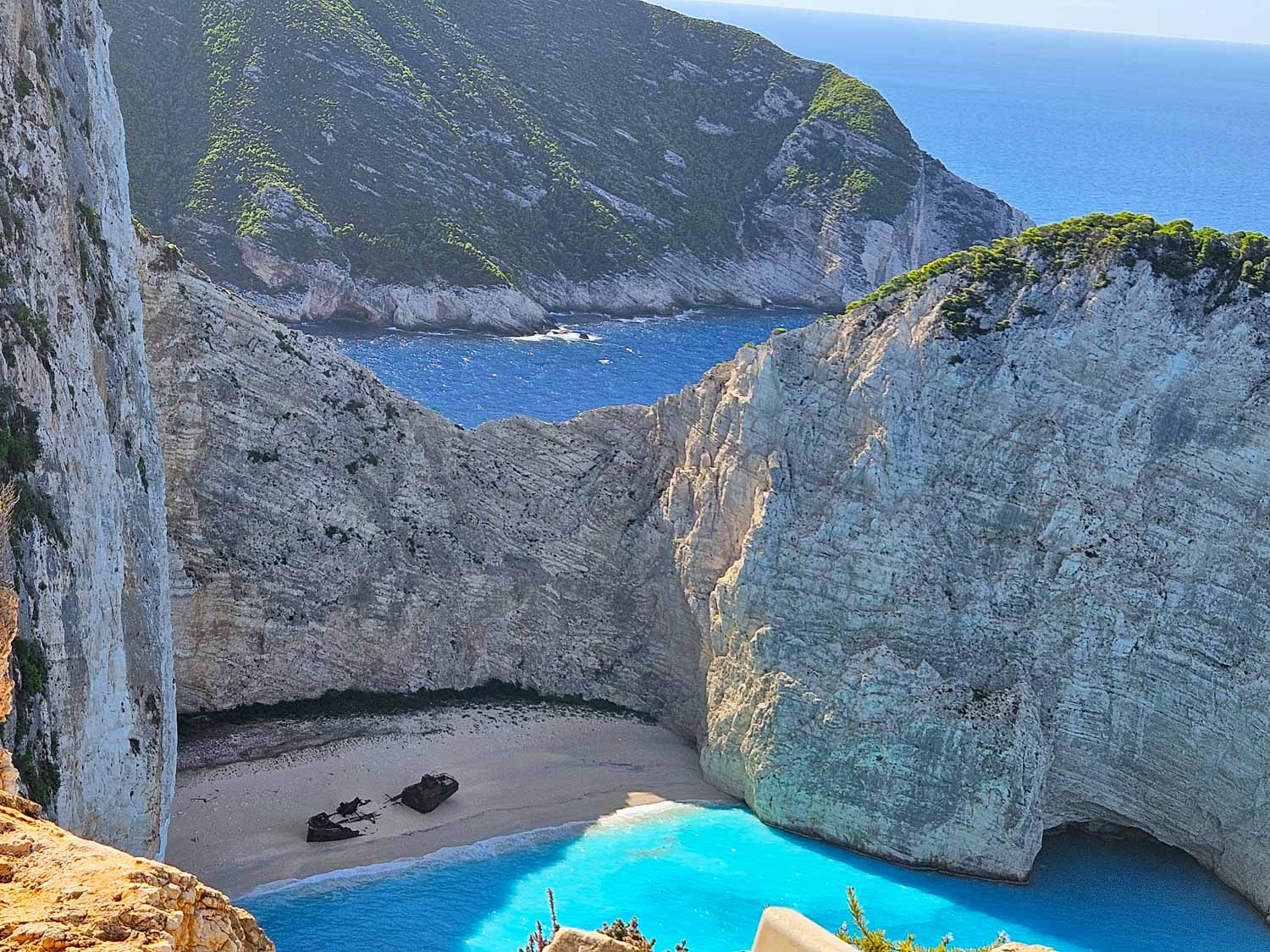
No list of things to do in Zakynthos with kids would be complete without Navagio, the dramatic cove on the island’s north-west coast where a rusting shipwreck sits marooned on a strip of white sand, hemmed in by towering limestone cliffs and startlingly blue water.

It’s the single most photographed beach, probably the most photographed spot on the whole island, and rightly so – the colours alone make it worth the trip, whatever age your children are.
One word of warning before you book anything: landing on the beach itself is currently banned after a serious cliff fall, so you can’t get onto the sand by land or sea.
Greek authorities have closed both the beach and the surrounding waters to landings and swimming until at least October 31, 2026, with boats barred from coming within 50 metres of the shore – the restriction has been extended repeatedly since 2018 and there are now plans to expand the beach, so do check before your trip as there’s no guarantee this will change any time soon.
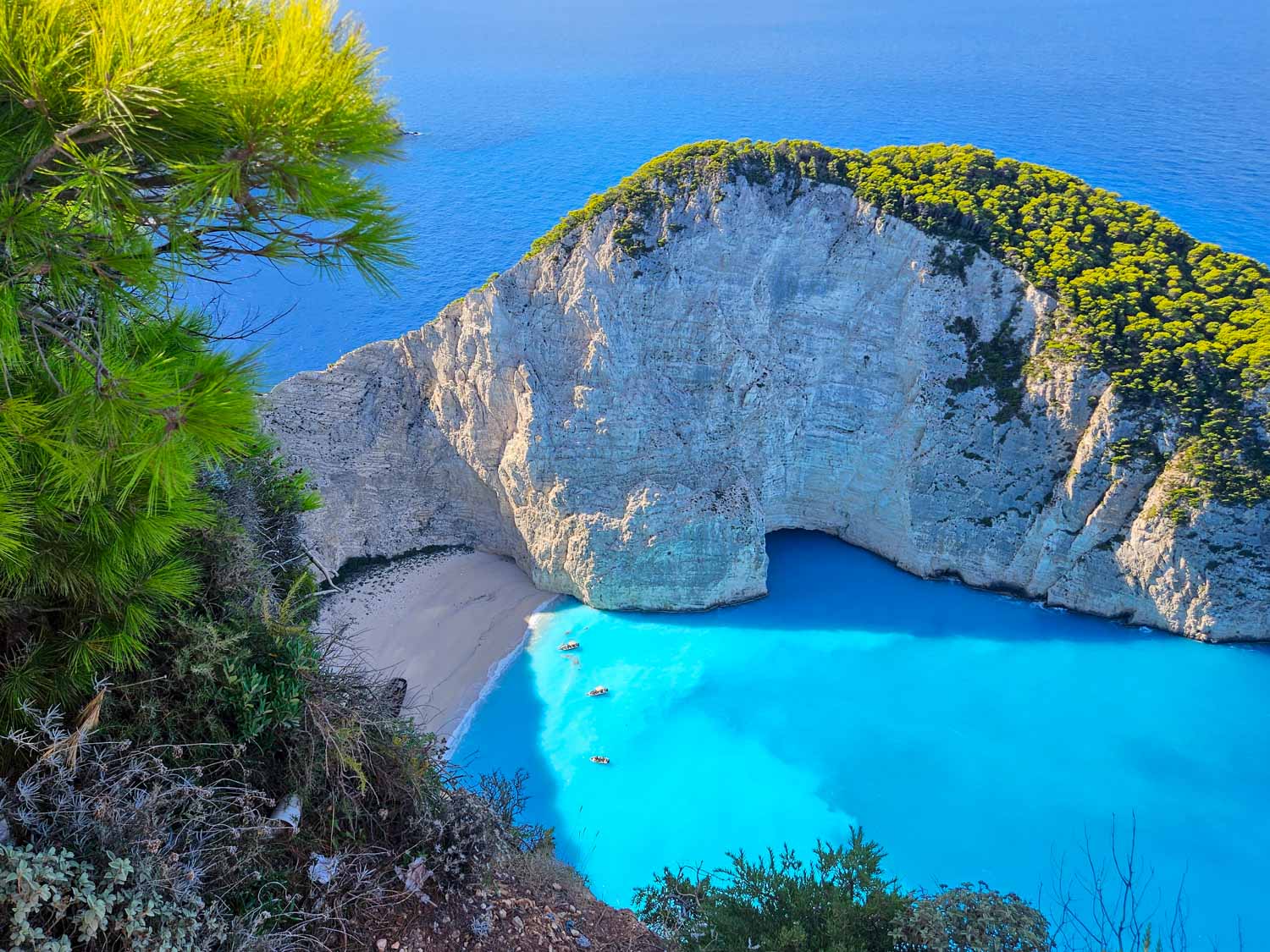
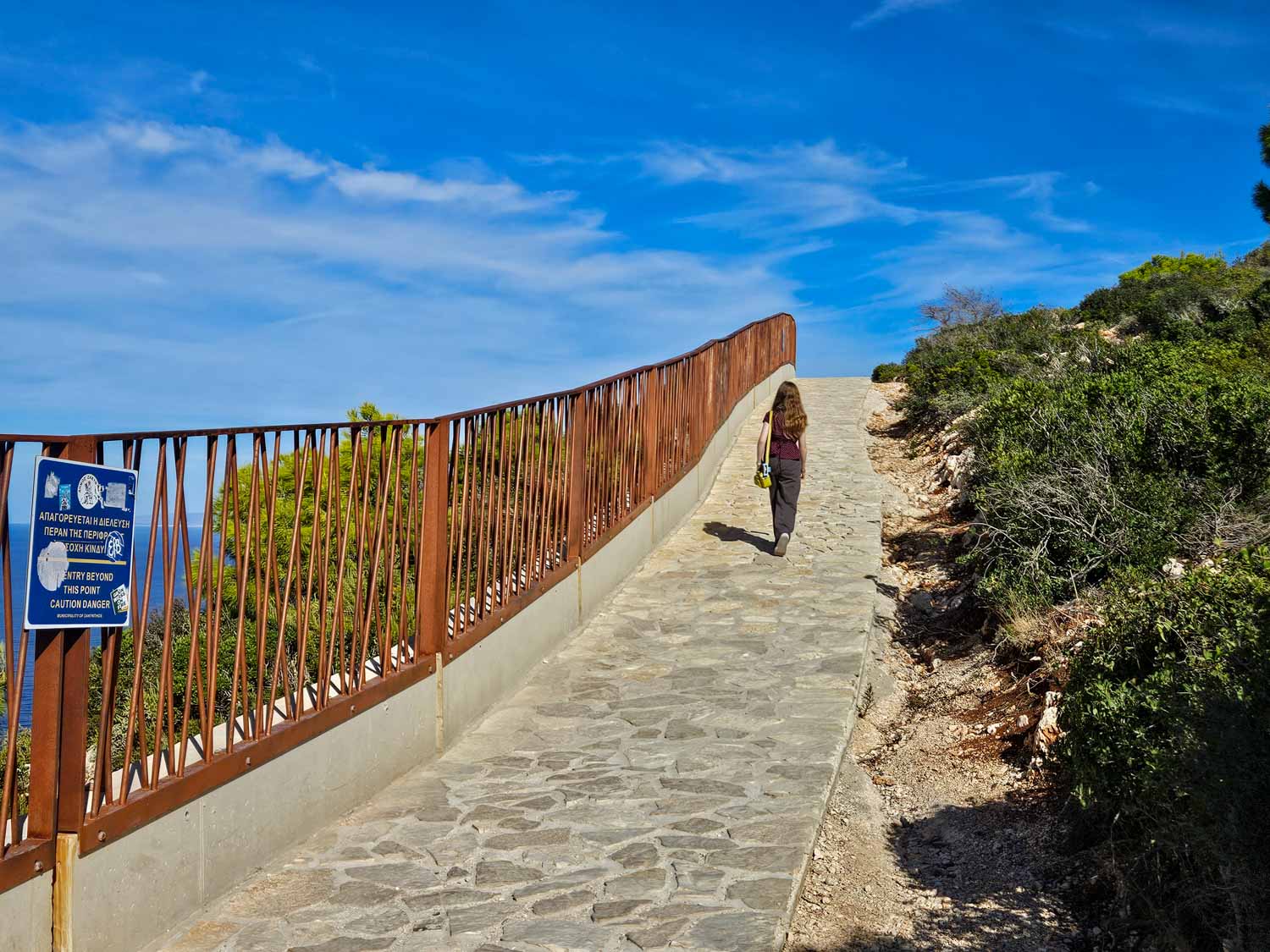
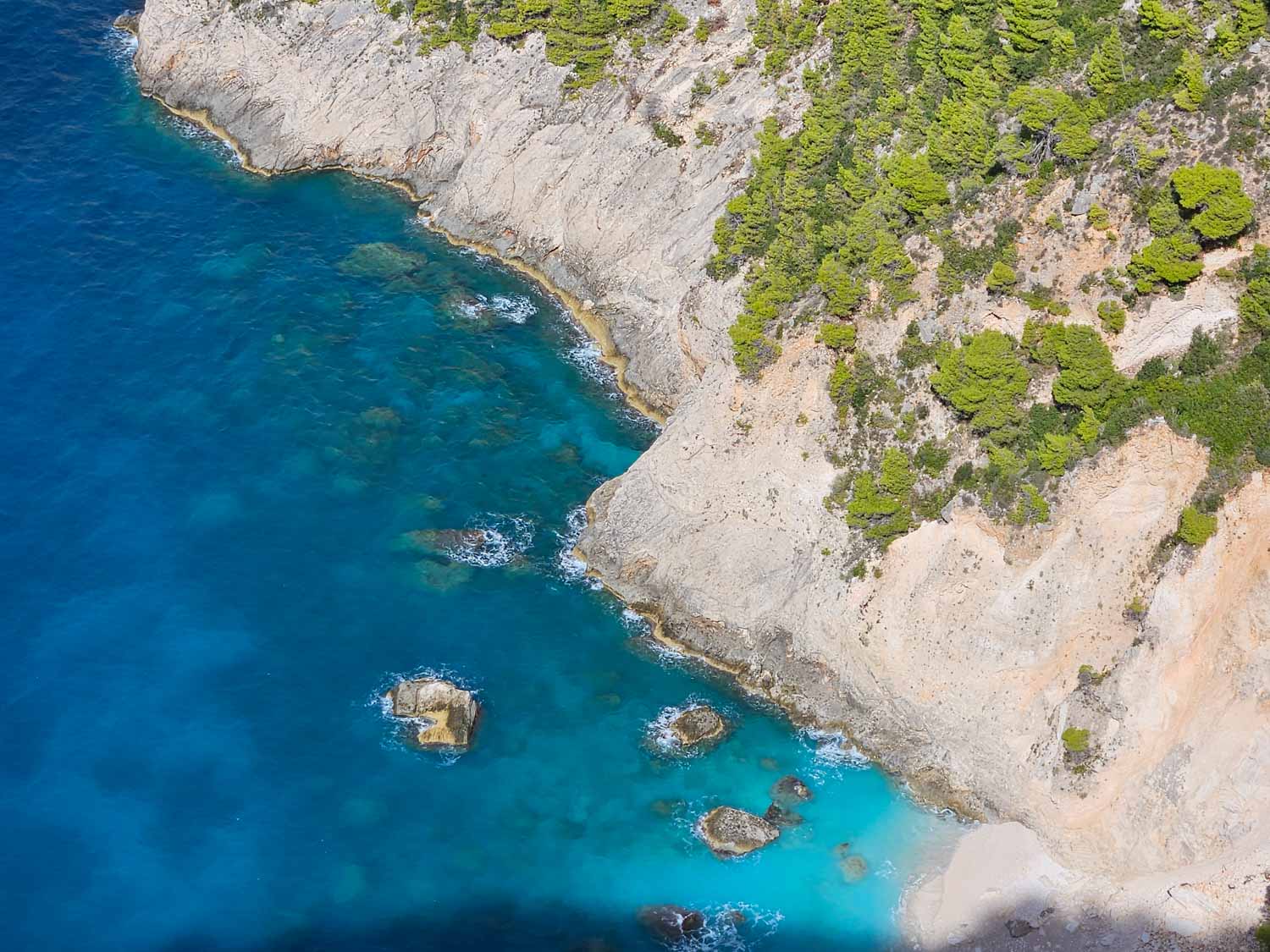
That doesn’t mean you have to miss out altogether. You can still see the wreck and the cove from a boat trip which stops offshore, or from the clifftop viewpoint above, near the village of Anafonitria, for a bird’s eye view down onto the bay.
It’s a short walk from the car park to the platform, so it works well even with younger children, and you can also wander along to the second viewpoint.


Most boat trips visiting Navagio also head to the Blue Caves, with a stop to swim along the way – do be wary of any promising to visit the beach itself, although there are plenty which will take you close enough for a good view – this cruise takes just over two hours, while you can choose from a shorter speedboat option or a longer boat tour or this Zakynthos tour includes some highlights on land as well as at sea.
The best beaches in Zakynthos for kids
Navagio Beach might get the spotlight but you’ll be spoiled for choice when it comes to beaches in Zakynthos with kids.
The island is ideal for families with younger children, thanks to the gently shelving sandy beaches found along much of the east and south coasts – elsewhere, there are rocky and pebble beaches, if you aren’t bothered about sandcastles, with some great snorkelling off the south-west coast and around Porto Limnionas.

On the east coast, Tsilivi Beach is one of the best, a Blue Flag beach with soft golden sand, calm shallow water and lots of facilities, including tavernas, playgrounds, even mini golf.
Or a little further north along the same coast, the connected stretch of sand making up Alykanas and Alykes beaches are a little quieter, but still have plenty of facilities, including sunbeds, as well as more clear water that shelves gently. Both are Blue Flag beaches too.
In between the two Psarou beach is another lovely sandy option but tends to be quieter.
Further south on the Vasilikos peninsula, Banana Beach is the place to go with older kids – expect beach clubs, water sports and more golden sand.

Down on Laganas Bay, Kalamaki and Laganas beaches both merge into a huge stretch of powdery sand, sitting on the National Marine Park. This is turtle nesting territory so you may find some areas roped off during the nesting season, with sunbeds and umbrellas restricted or banned.
Kalamaki Beach tends to be a bit quieter for families and has been awarded Blue Flag status while Laganas is the island’s party capital, especially during peak season, although if you’re looking for somewhere with plenty of places to eat and drink, it’s got more than you can try in one holiday.
For somewhere a lot more unspoiled, Gerakas Beach in the far south is also one of the prettiest – a protected turtle-nesting beach, you won’t find beach bars or water sports (although do check access rules during the nesting season).
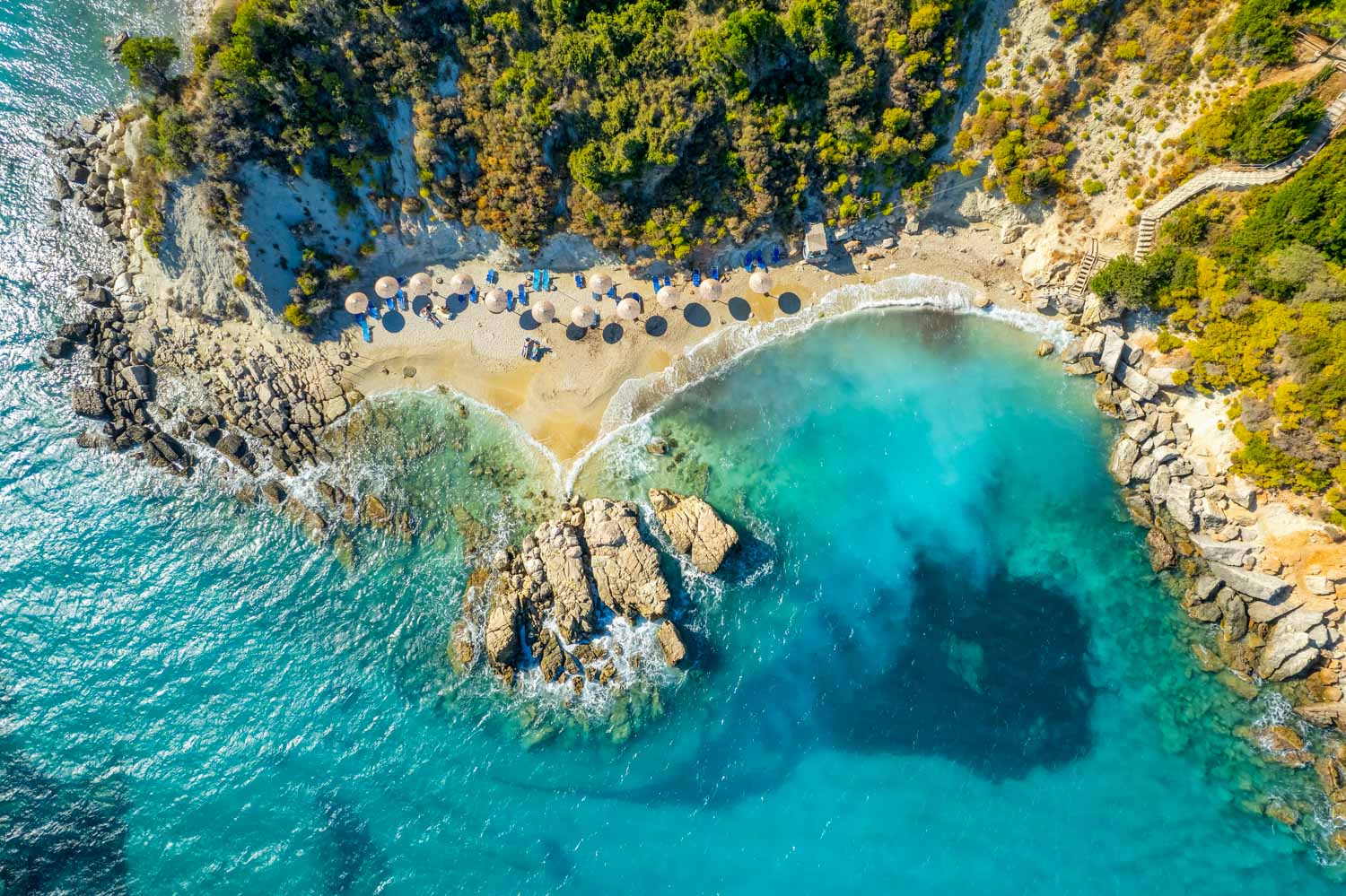
Or enjoy a very different beach experience at Xigia Beach – otherwise known as Sulphur Beach, thanks to the natural springs here. The mineral-rich water is believed to have healing properties as well as being good for your skin. What’s definitely true is that you’ll smell the beach as you see it, while the water here can be a milky blue rather than the usual clear turquoise.
The Blue Caves
At the northernmost tip of Zakynthos, the Blue Caves (Galazia Spilia) are a string of sea caves and natural arches carved into the cliffs at Cape Skinari, where the water glows an almost fluorescent turquoise thanks to the way light reflects off the white limestone below the surface.
Most boat trips leave from Agios Nikolaos in the north-east of the island or Porto Vromi in the north-west and combine a visit here with the Navagio Beach viewing trip.
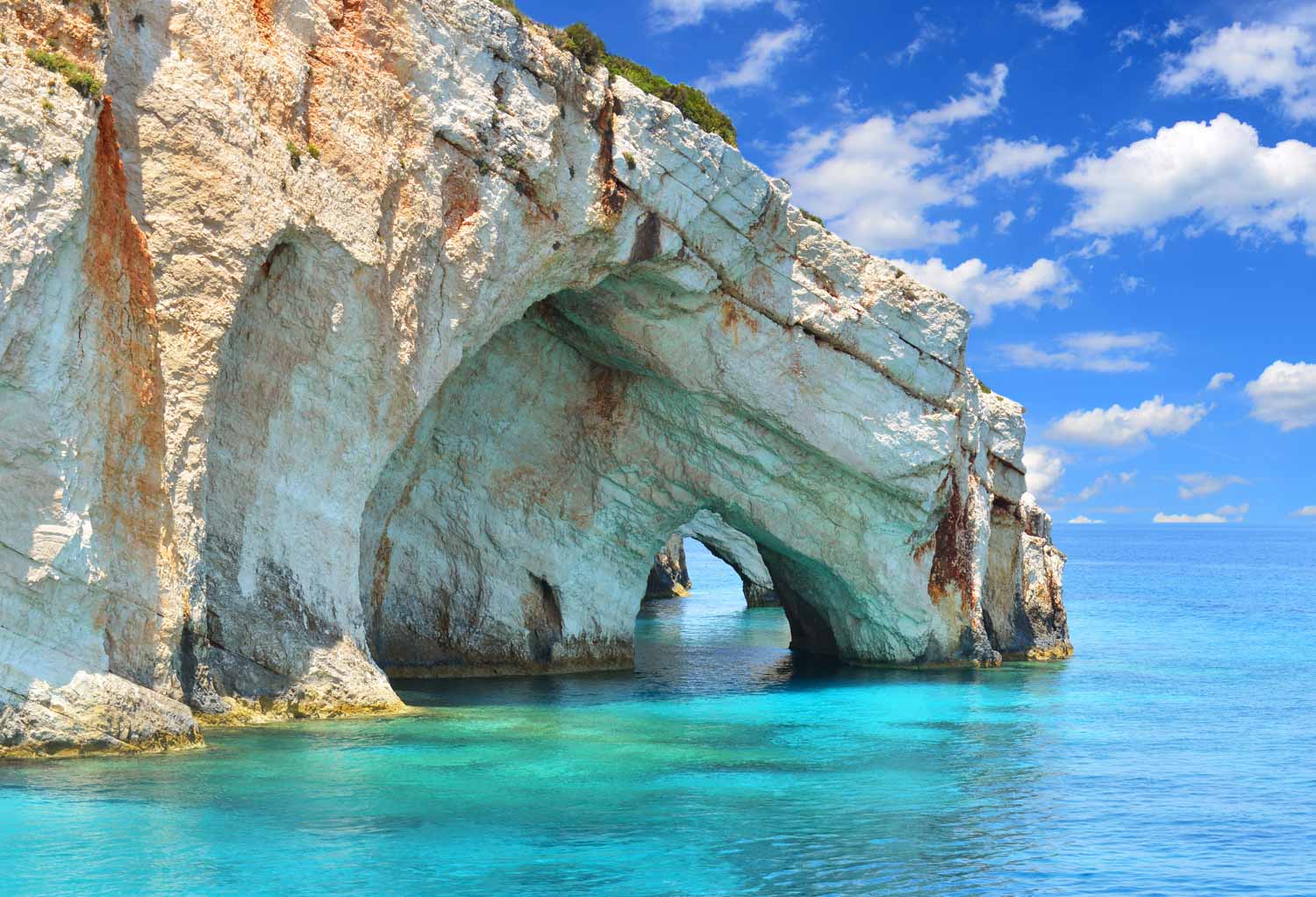
Pick one of the smaller boats, and many will cruise right into the caves themselves so you get the full effect of the colour change as you pass from open sea into the shadowy interior.
The sea is ridiculously clear, so bring a snorkel or goggles to get a glimpse of some of the silver fish living in the waters here, as there’s usually a swim stop as well.
If you’re short of time, or don’t want to visit Navagio, this one-hour boat trip to the Blue Caves lets you swim in the largest cave. Otherwise this cruise takes just over two hours, while you can choose from a shorter speedboat option or a longer boat tour combining the Blue Caves and Navagio.
TOP TIP: The Blue Caves are at their most vivid in the morning sunlight, before the water gets choppier and the light flattens out later in the day, so it’s worth the early start if you can
Turtle spotting in the National Marine Park
The waters around Zakynthos, particularly Laganas Bay in the south of the island, are one of the most important nesting grounds in the Mediterranean for loggerhead turtles (Caretta caretta), and the whole bay has been protected as the National Marine Park of Zakynthos since 1999.

Turtle-spotting boat trips run from Laganas, Agios Sostis and Keri, cruising through the bay to look for turtles feeding usually before a visit to Marathonisi Island (one of the important nesting beaches) and the Keri caves.
Nesting takes place on six beaches around the bay from late May to August, with hatchlings emerging mostly in August and September – Sekania beach, the densest nesting site in the whole Mediterranean, is closed to all access year-round to protect it, while one of the beaches on Marathonisi is only open outside these months.
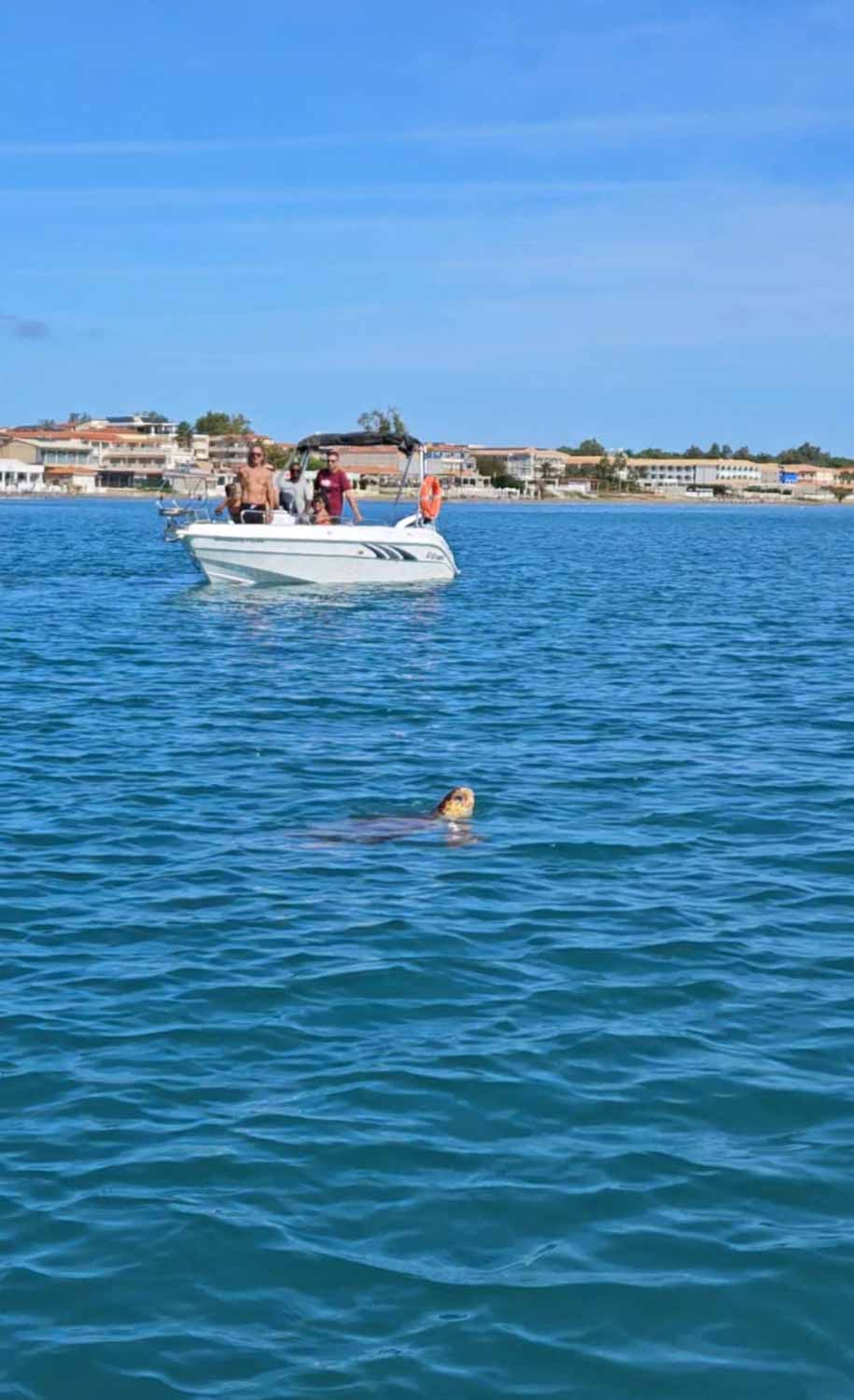
Sightings are never guaranteed since these are wild animals, but even during October – outside the main turtle-spotting season – we saw three or four in the harbour.
There are restrictions in place to protect the turtles – boats can only travel at six knots or less in the protected zones, while reputable operators will cut their engines and stay at a safe distance to wait for turtles to surface rather than chasing after them.
In practice, even in less busy October, the larger boats tended to circle the turtles in a way which was uncomfortably reminiscent of sharks around prey, so it definitely pays to do some research before booking.
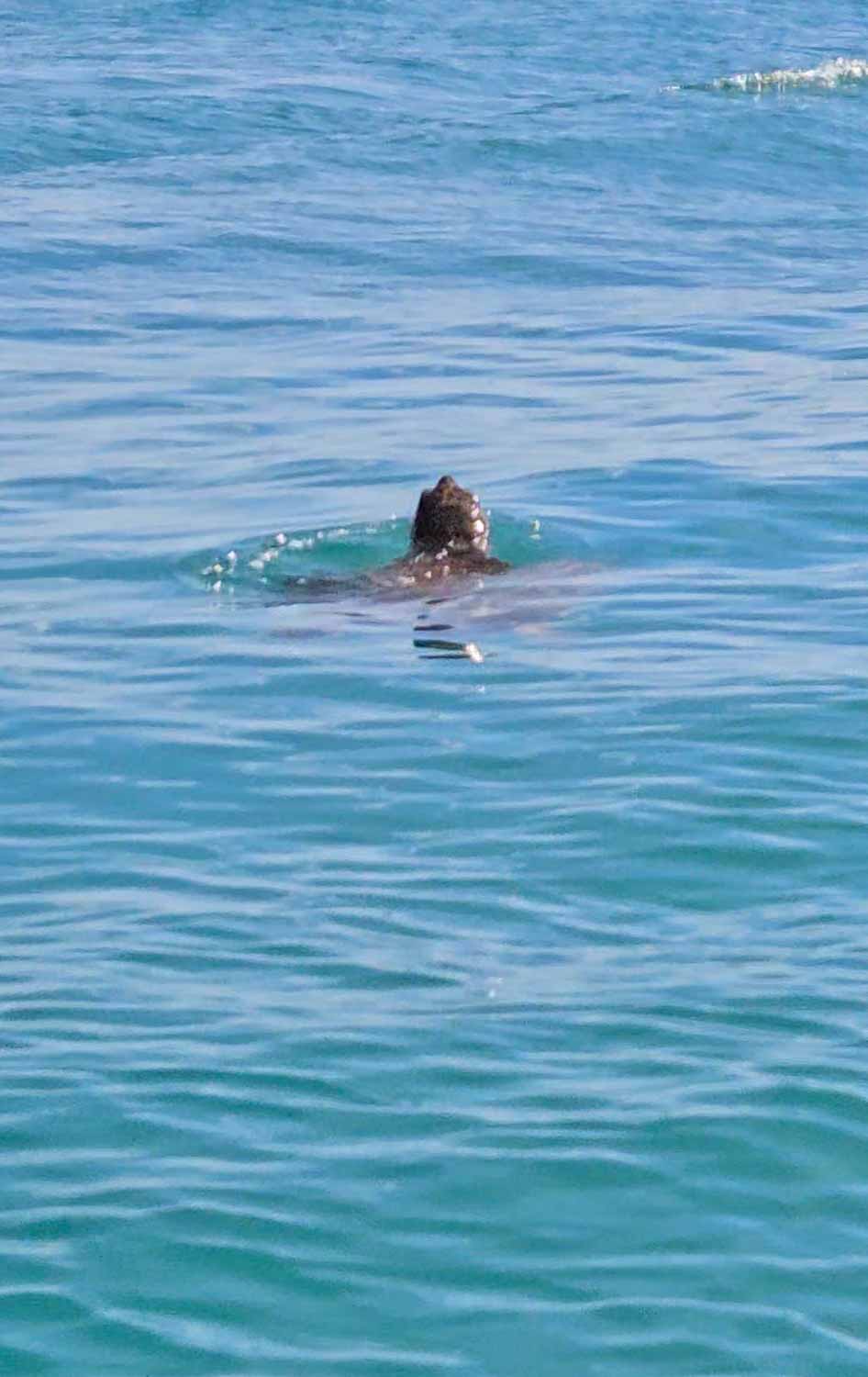
Reviews which talk about the boats following turtles to ensure everyone gets a glimpse, promise turtle sightings or allow swimming from the boat are often the ones where the paying passengers get priority over the turtles’ welfare. Those which talk about the marine park rules and share information about the turtles themselves are often more focused on exploring responsibly.
Nefis Travel works with Archelon Sea Turtle Protection Society and runs eco-friendly turtle-spotting tours, with expert guides aboard.
As they sadly weren’t running tours when we visited, we headed out on a smaller seven-passenger boat where our captain managed to balance giving the turtles space and giving us a view – while it worked well for us in October, the lack of space and shade means it wouldn’t be my first choice in midsummer with younger kids.
Keri Caves and the Keri lighthouse
At the south-western tip of the island, the cliffs around Keri hide a line of sea caves and natural rock arches that make a lovely add-on to a turtle-spotting boat trip, or a destination in their own right on a sunset cruise.
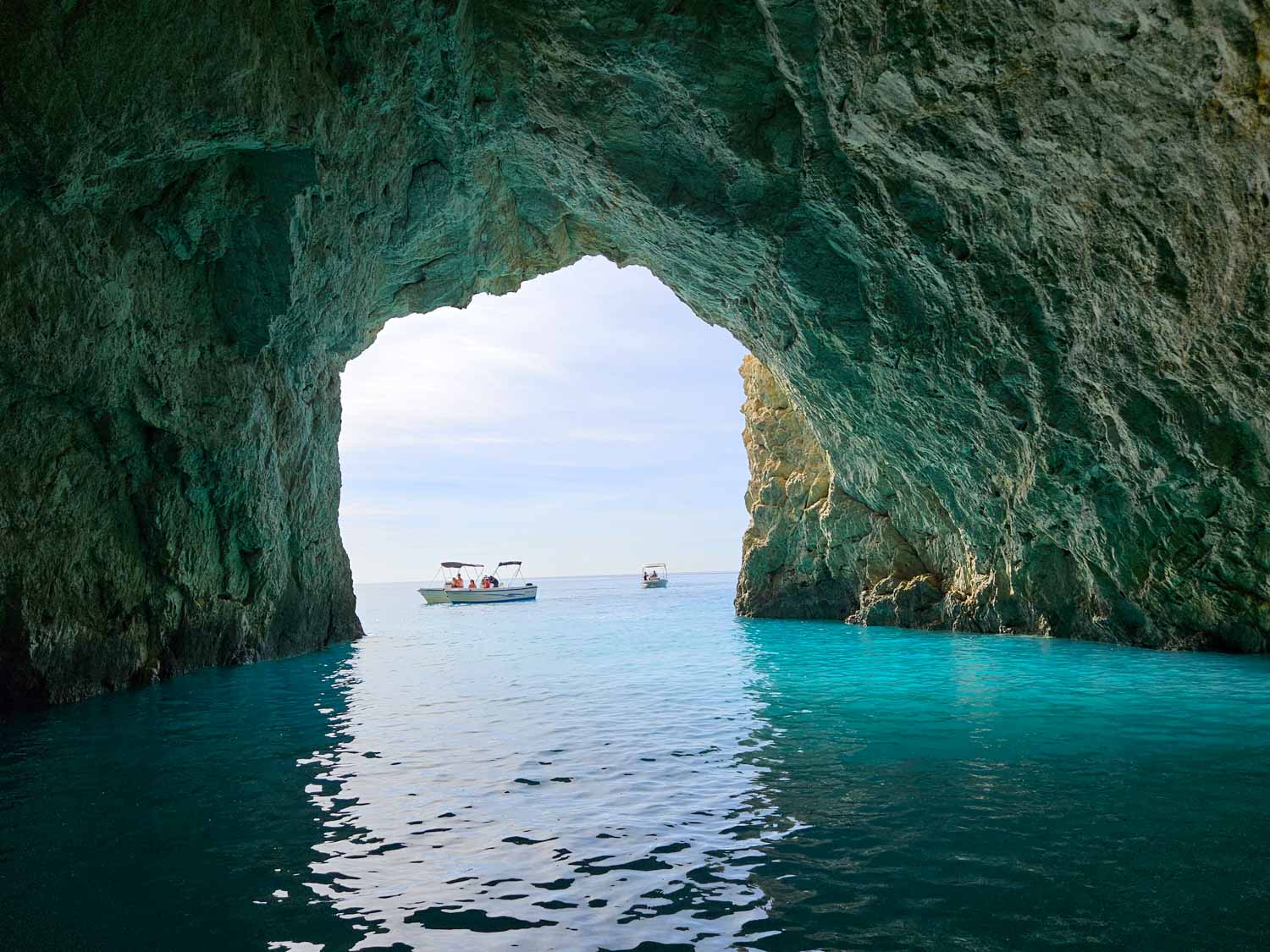
Choose a small boat and you can cruise into the caves and grottoes when the sea is calm enough, and there are usually swim stops along the coast where the water is clear enough for good snorkelling.
Just offshore, look out for the Mizithres rocks, two distinctive conical rocks that are one of the most photographed views on this side of the island.
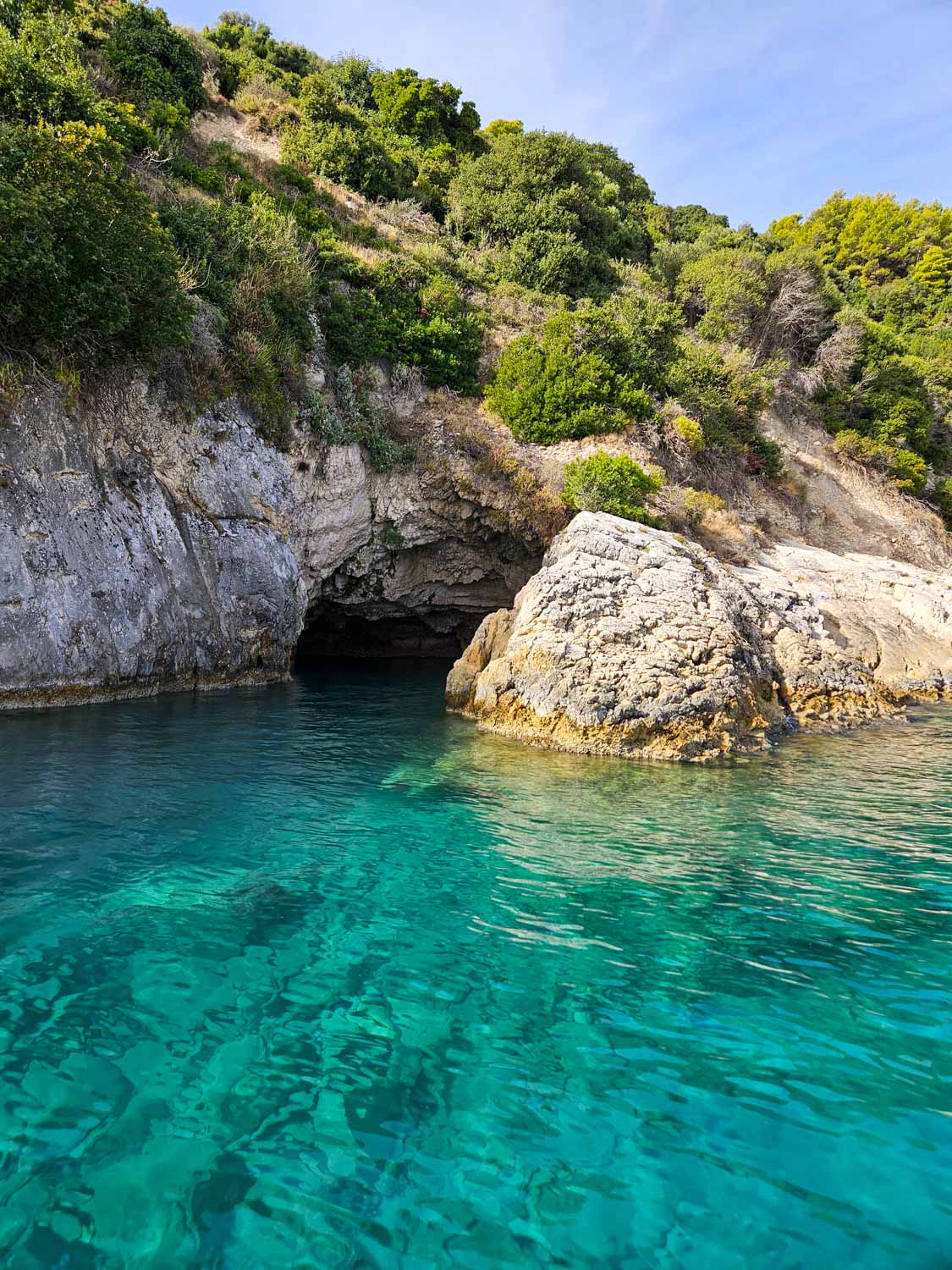
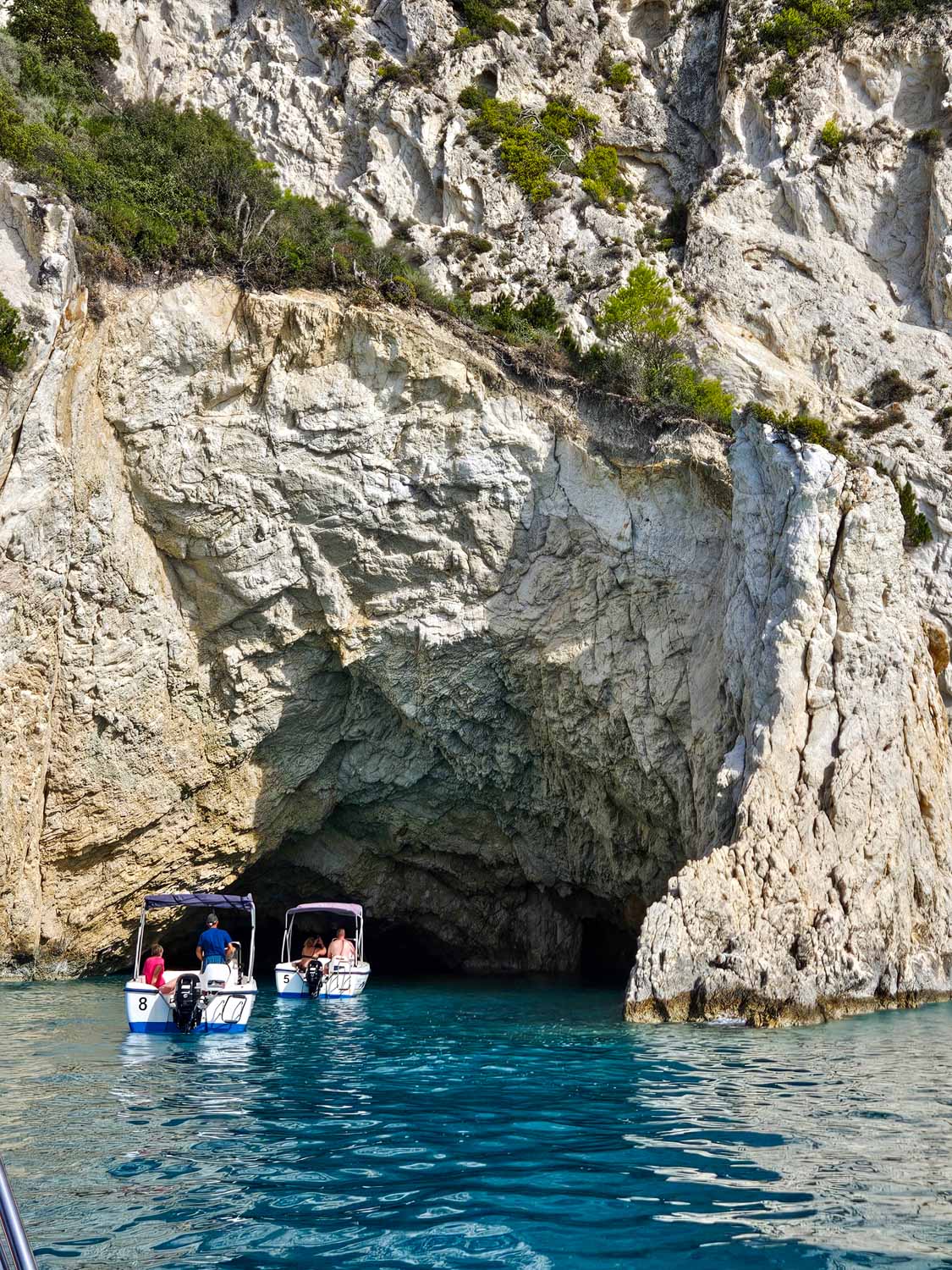


Above the caves, Keri lighthouse marks the island’s southernmost point and is a popular spot for sunset, with the wide bay stretching out below – it’s worth heading here on land too, to enjoy the views out from some of the tavernas at Keri village itself.
Marathonisi (Turtle Island)
Shaped uncannily like its namesake, little Marathonisi – also known as Turtle Island – sits at the heart of Laganas Bay and is one of the highlights of a turtle-spotting trip in Zakynthos for kids, thanks to its startlingly clear, shallow water.
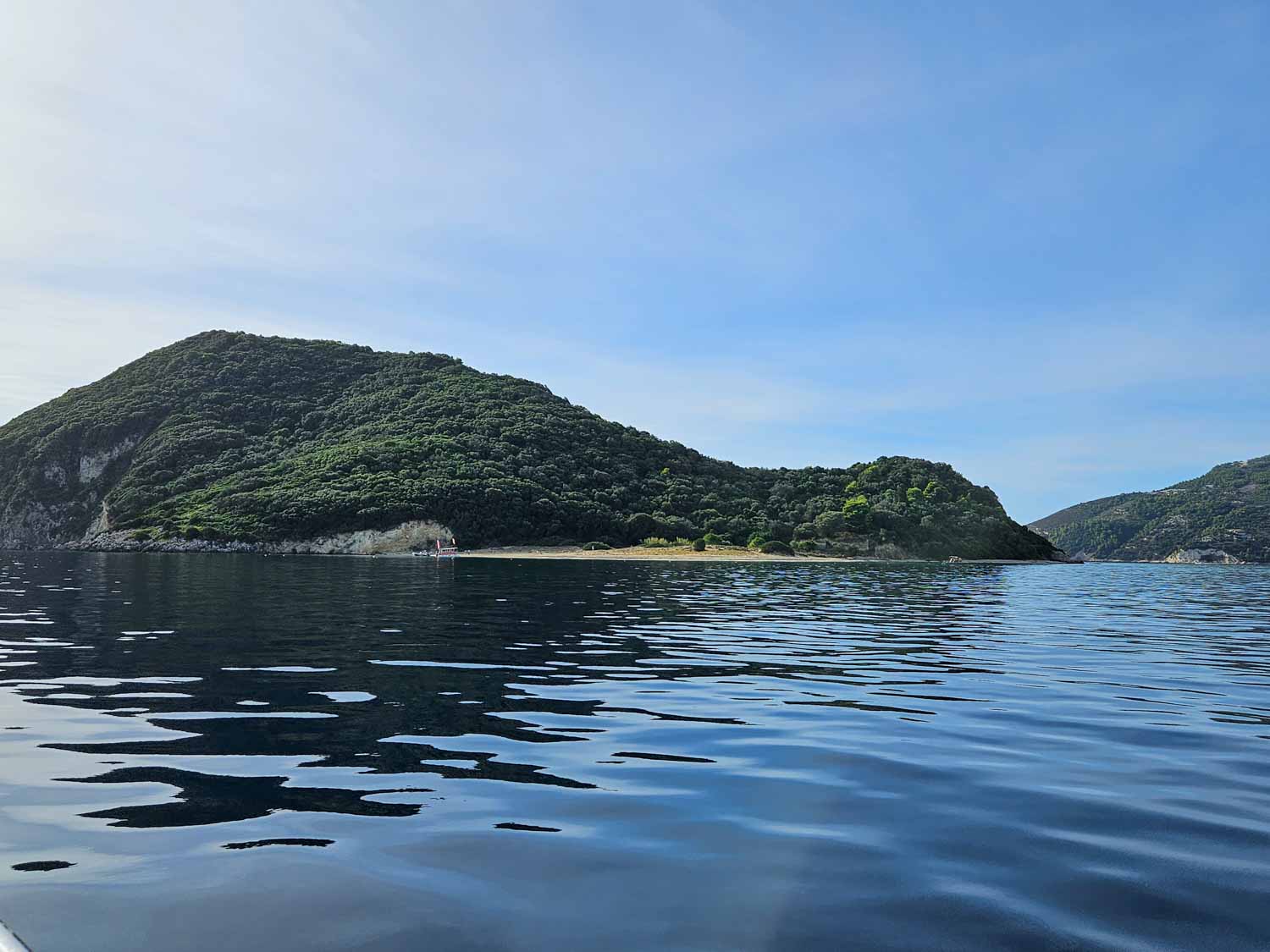
Boats from Laganas, Keri and Limni Keriou usually stop by the southern beach, while the northern side is a protected nesting beach and has restricted access or is entirely out of bounds during the summer nesting and hatching season.
There are no sunbeds, umbrellas or facilities of any kind here so bring everything you might want, from suncream to water and snacks.

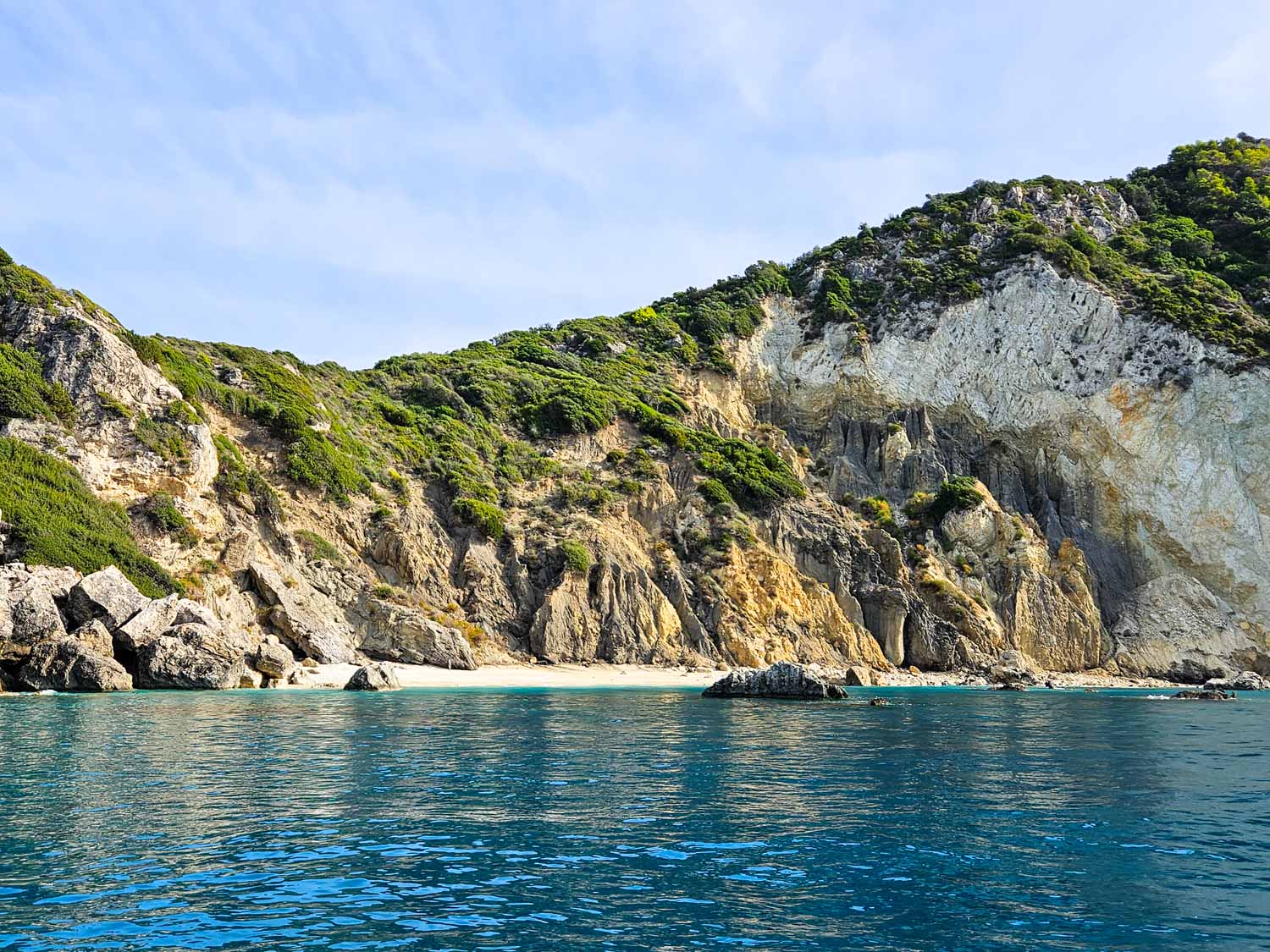
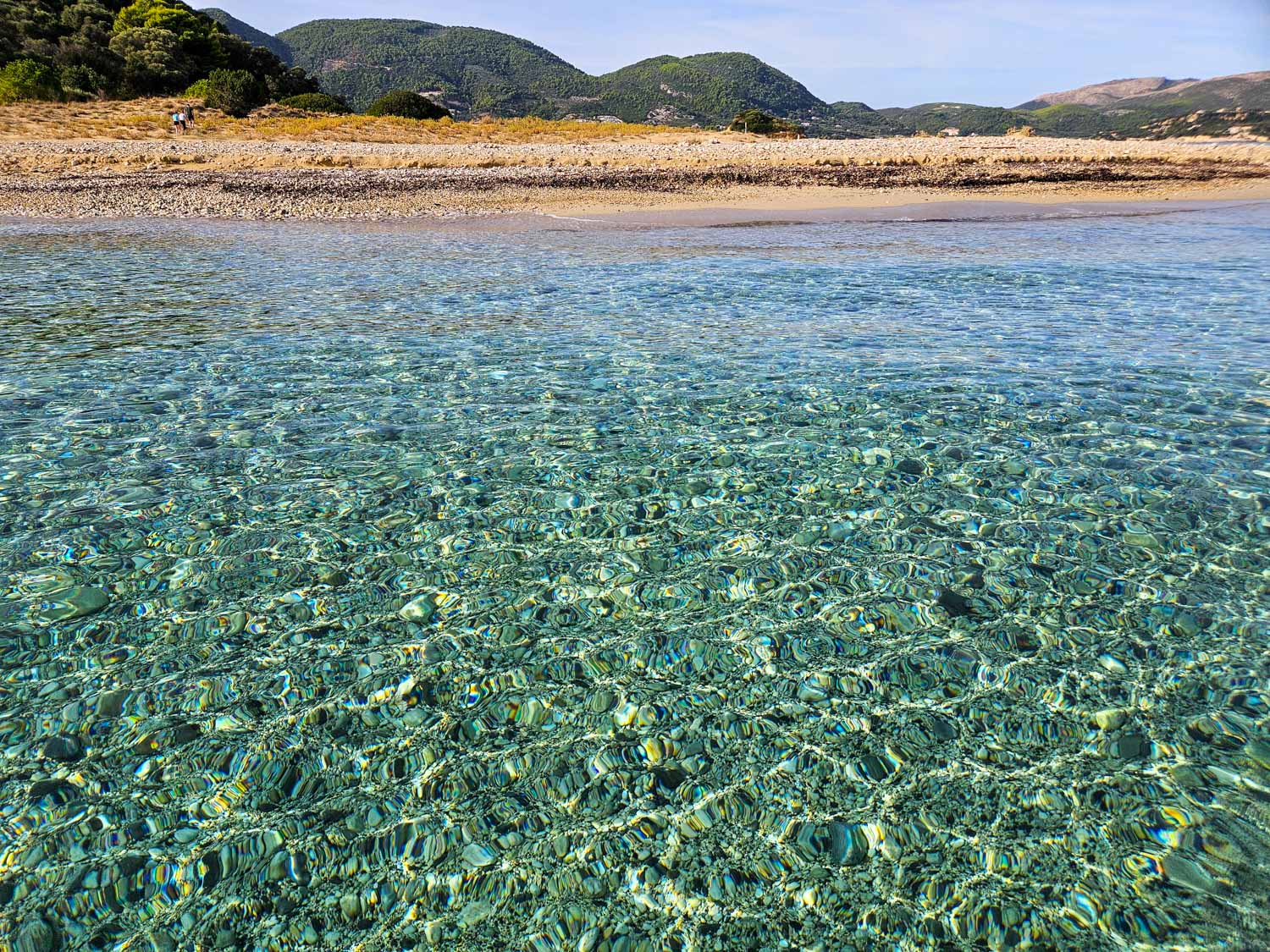
The crossing takes around 20-25 minutes, with many half-day boat trips stopping here for a short period, or other excursions which give you longer on the island itself.
Cameo Island
A small, pine-covered islet just off the coast near Laganas, Cameo Island – sometimes called “Wedding Island” for its popularity as a photo backdrop – is connected to the mainland by a narrow strip of sand, so you can walk across at low tide or take a short boat trip to get there.
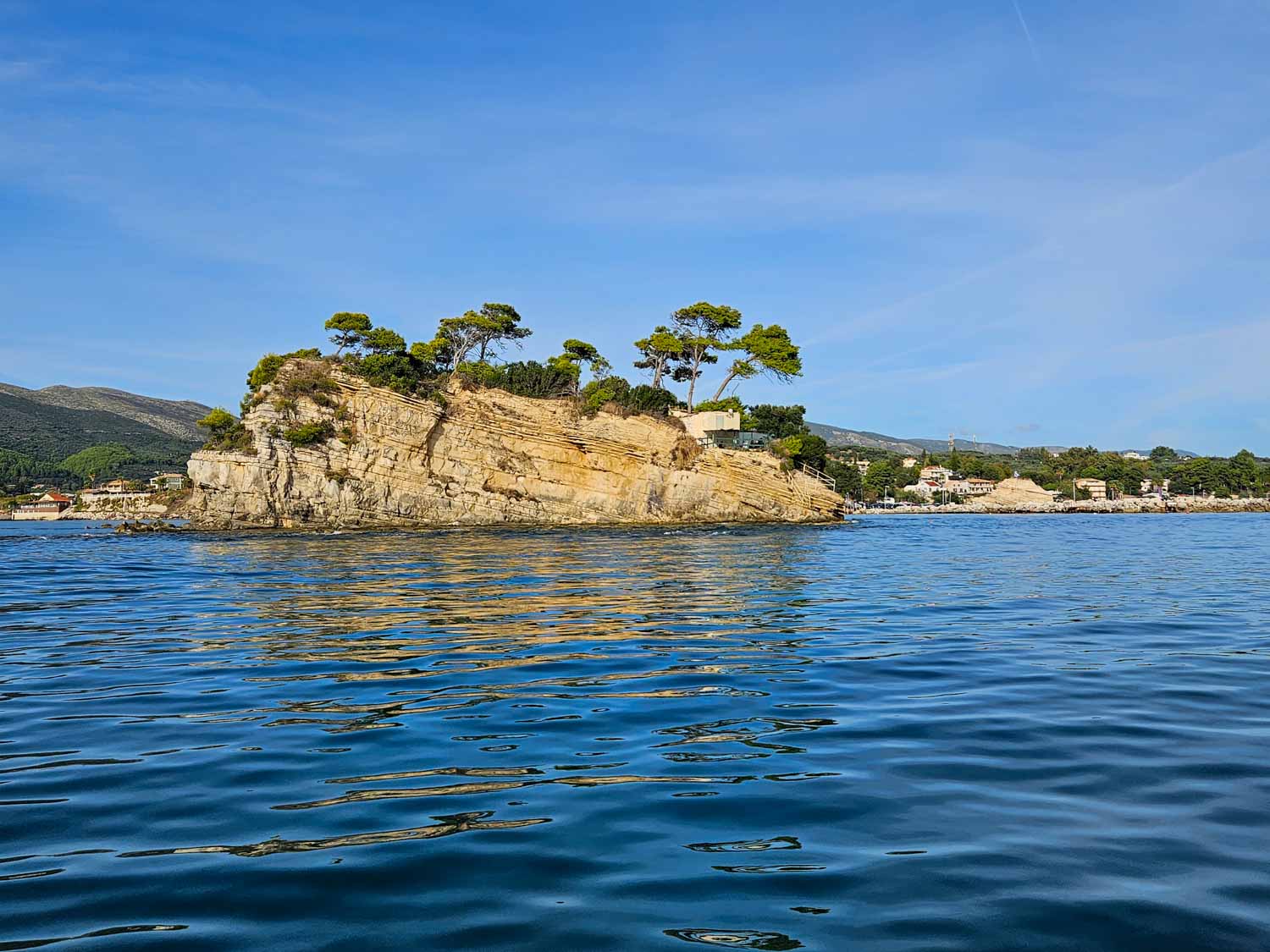
It makes a nice, low-key stop on a longer boat trip around the bay, with a small beach bar, sun loungers and clear water for a swim, and you’ll probably cruise past or stop for a few photos on tours heading to Marathonisi and the Keri caves.
Zakynthos Sea Turtle Rescue & Information Centre
Not far from Gerakas Beach on the Vasilikos Peninsula, the little Zakynthos Sea Turtle Rescue and Information Centre is a great place to learn more about the turtles which nest on the island’s beaches.
The information boards give more details on the various types of sea turtle and their lives, as well as the threats to them from tourism – and what visitors can do to help, from avoiding using umbrellas if there might be a nesting site to using the sand safe showers which helps prevent beach erosion.


It’s free to visit, although donations are encouraged (and there are plenty of turtle-themed souvenirs in the gift shop). There are also some rescued terrapins in the tanks just outside, while you might see rescued sea turtles during the summer months.
Zante Water Village
If your kids need a change from the beach, or you’re visiting outside the calmest weather, Zante Water Village in the south-east of the island is one of two proper water parks on Zakynthos, and it’s easy to spend the whole day there.
There’s plenty to suit different ages, from a Lagoon Pool and gentle Children’s Tower with small racing slides for younger children through to a family tower where you can race each other down side by side.
For braver and older kids, you’ll also find some faster, more adrenaline-fuelled slides – the bigger rides have clearly posted height restrictions, plus there are lifeguards too. And plenty of sunbeds if you prefer to relax rather than get your heart racing.
The park is open from around May to September and there’s no need to prebook tickets – you can get slightly reduced half-day prices (enter after 2.30pm) as well as standard day entry on the door and a one-week pass if your kids want to go back over and over.

Tsilivi Waterpark
The other main option if you’re looking for water parks on Zakynthos for families is Tsilivi Waterpark, right on the beach in Tsilivi, just north of Zakynthos Town.
A little more compact than Water Village, it’s no less entertaining, with a wave pool, lazy river and a good mix of slides for different ages.
Younger children will love the pirate ship play area and gentler slides, while older kids and teens can head for the thrills of Turbolance and the Black Hole. There are shaded areas, sunbeds, cafés and lockers dotted around here too. There are half-price tickets if you visit after 2.30pm here and no need to prebook.
Explore Zakynthos Town
Zakynthos Town, the island’s capital, was almost entirely rebuilt after the devastating earthquake of 1953 struck the island and surrounding area, including neighbouring Kefalonia.
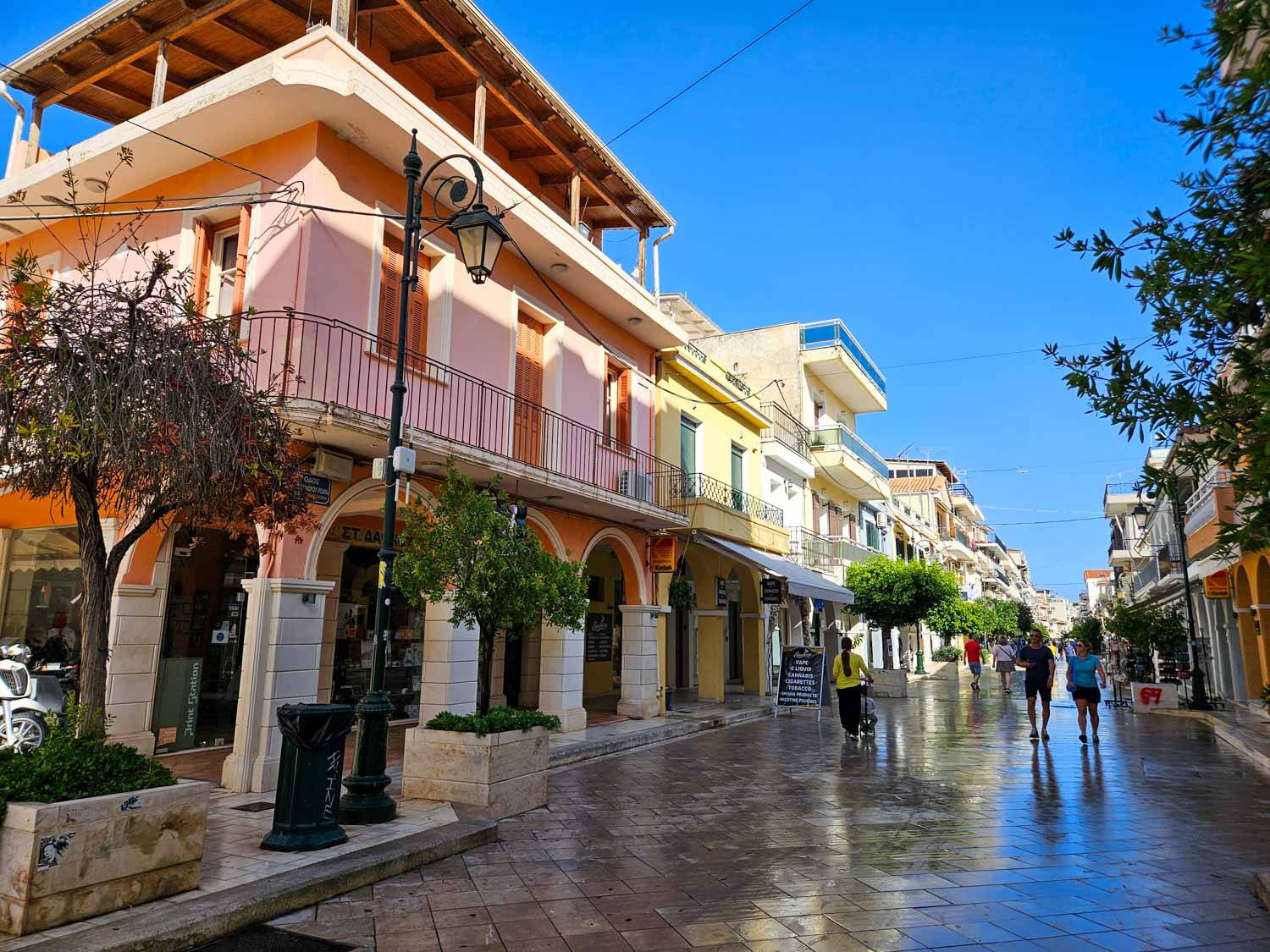
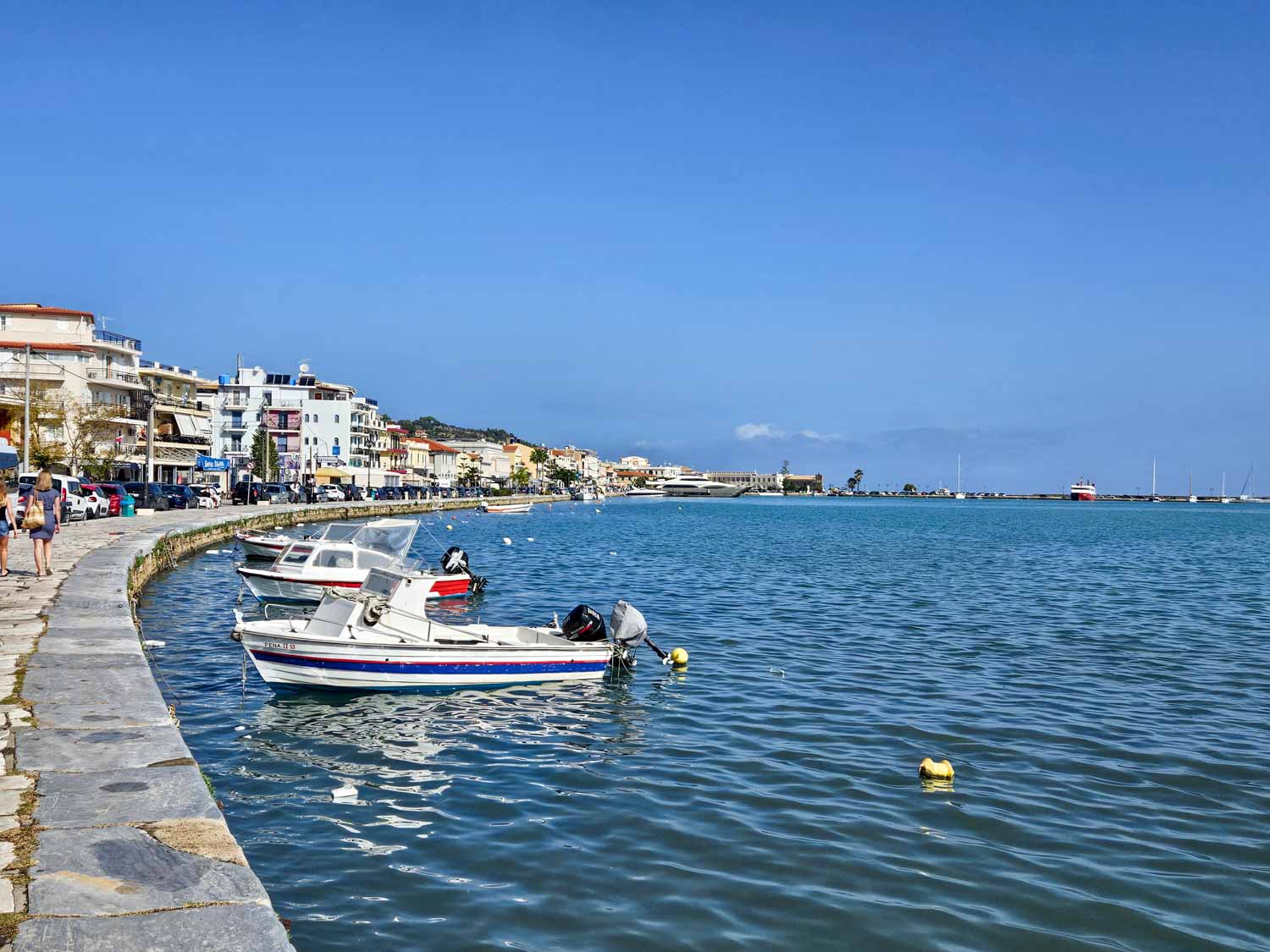
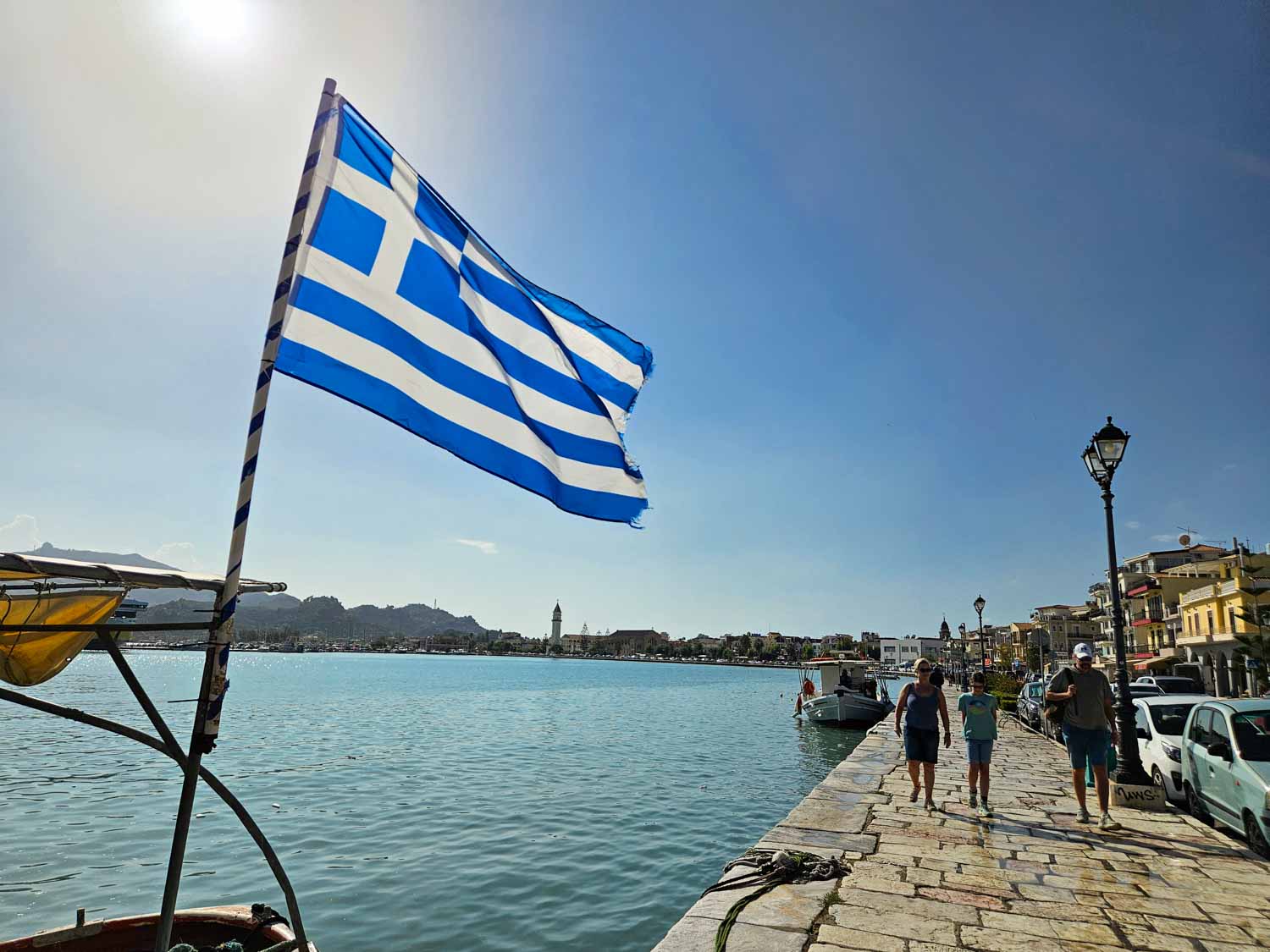
Unlike the winding lanes of other island capitals, what you’ll see today has been built on a grid pattern, with a string of colourful and neoclassical buildings arranged around the harbour and the pedestrianised main square, Solomos Square.
It’s still a lovely place to wander with kids for an hour or two, with souvenir shops and cafes stretched along Alexandrou Roma, the central pedestrian street, plus a few attractions to look out for.


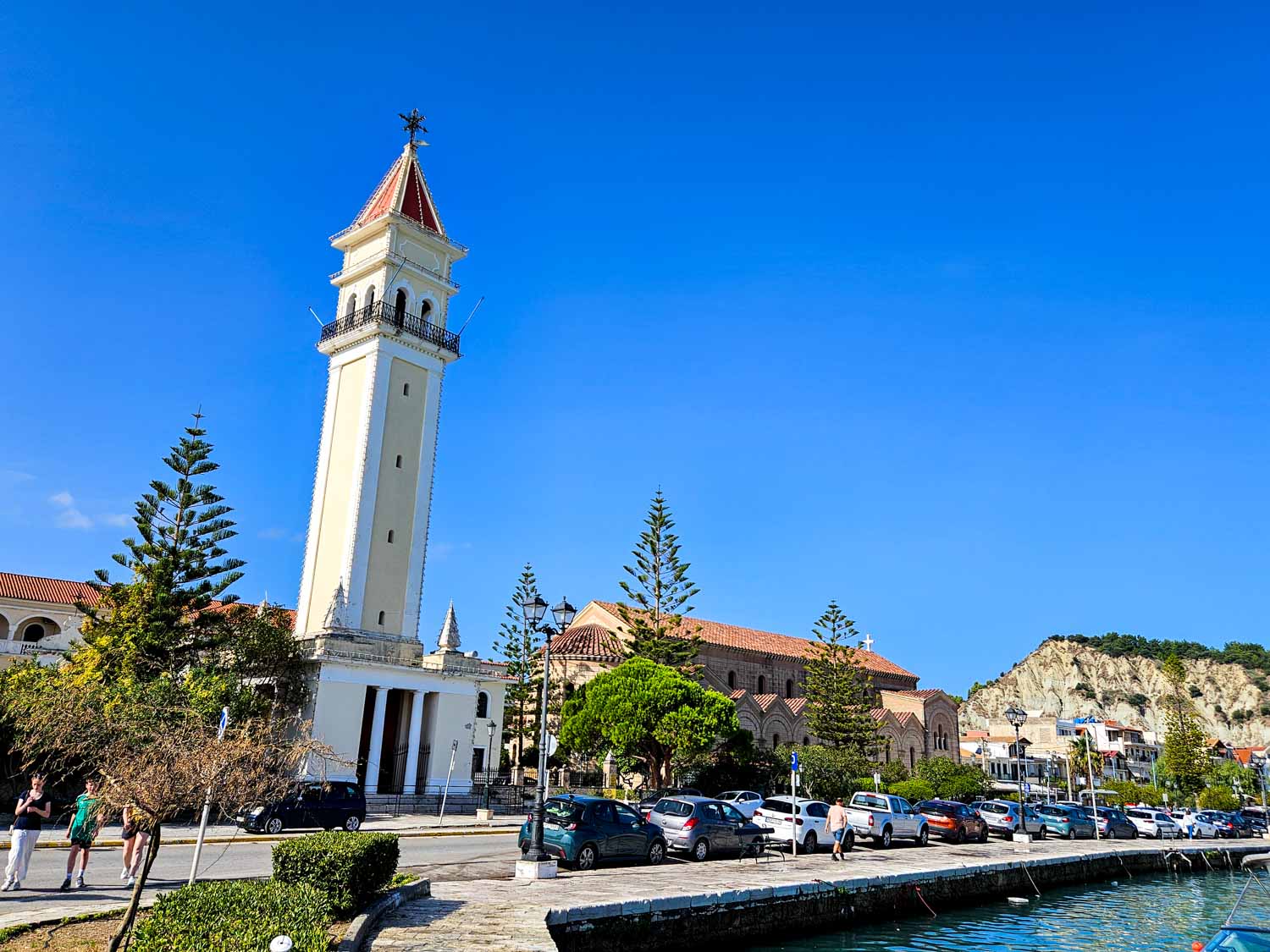
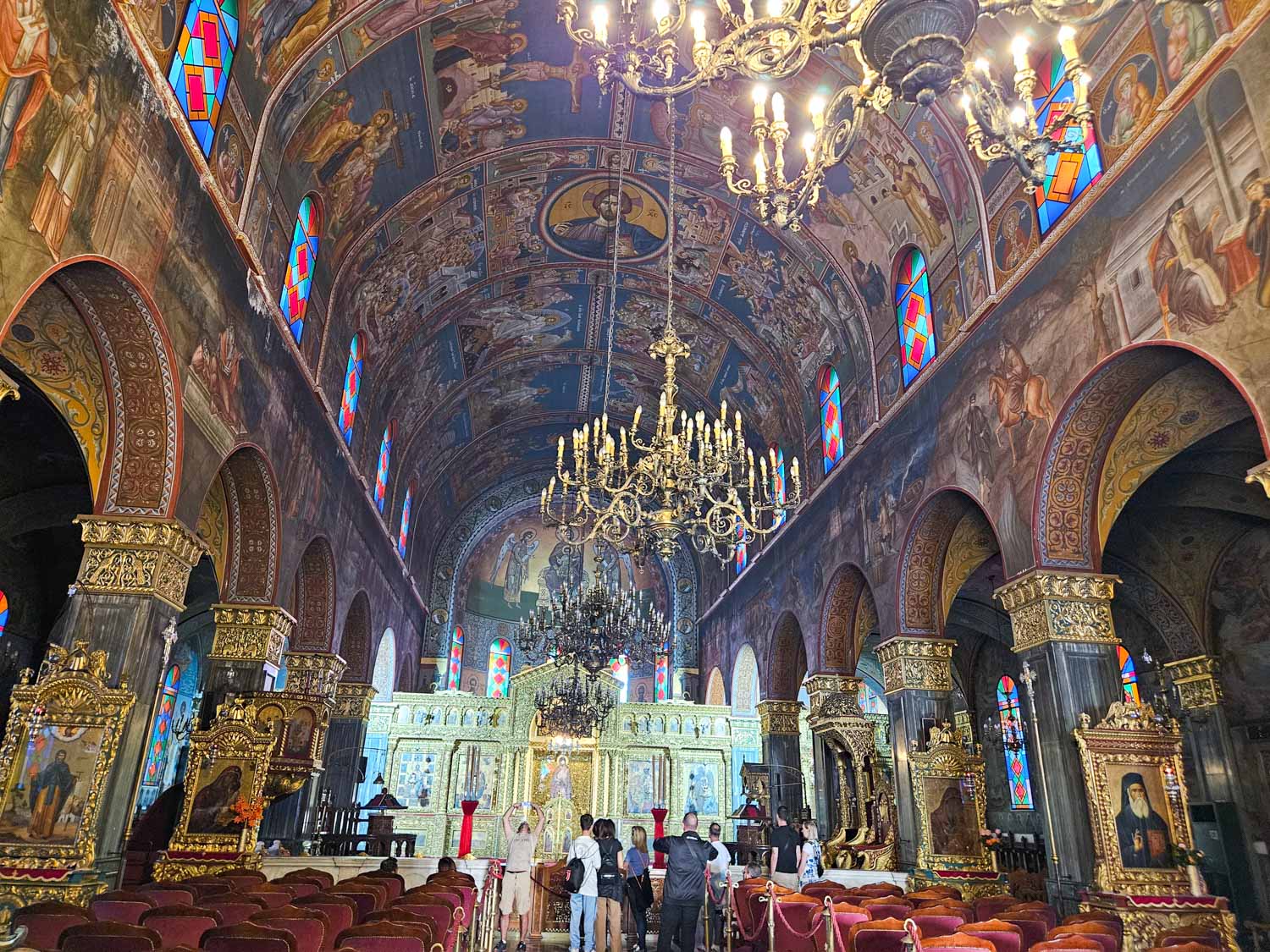
The church of Agios Dionysius dates from the early 20th century, surviving the devastating earthquake, and the basilica’s understated exterior hides a riot of gold decoration and colourful paintings. There’s also a little museum in the grounds.
Not far away, the historic church of Panagia Faneromeni dates back around 900 years, with a 17th century belltower that also survive the earthquake.


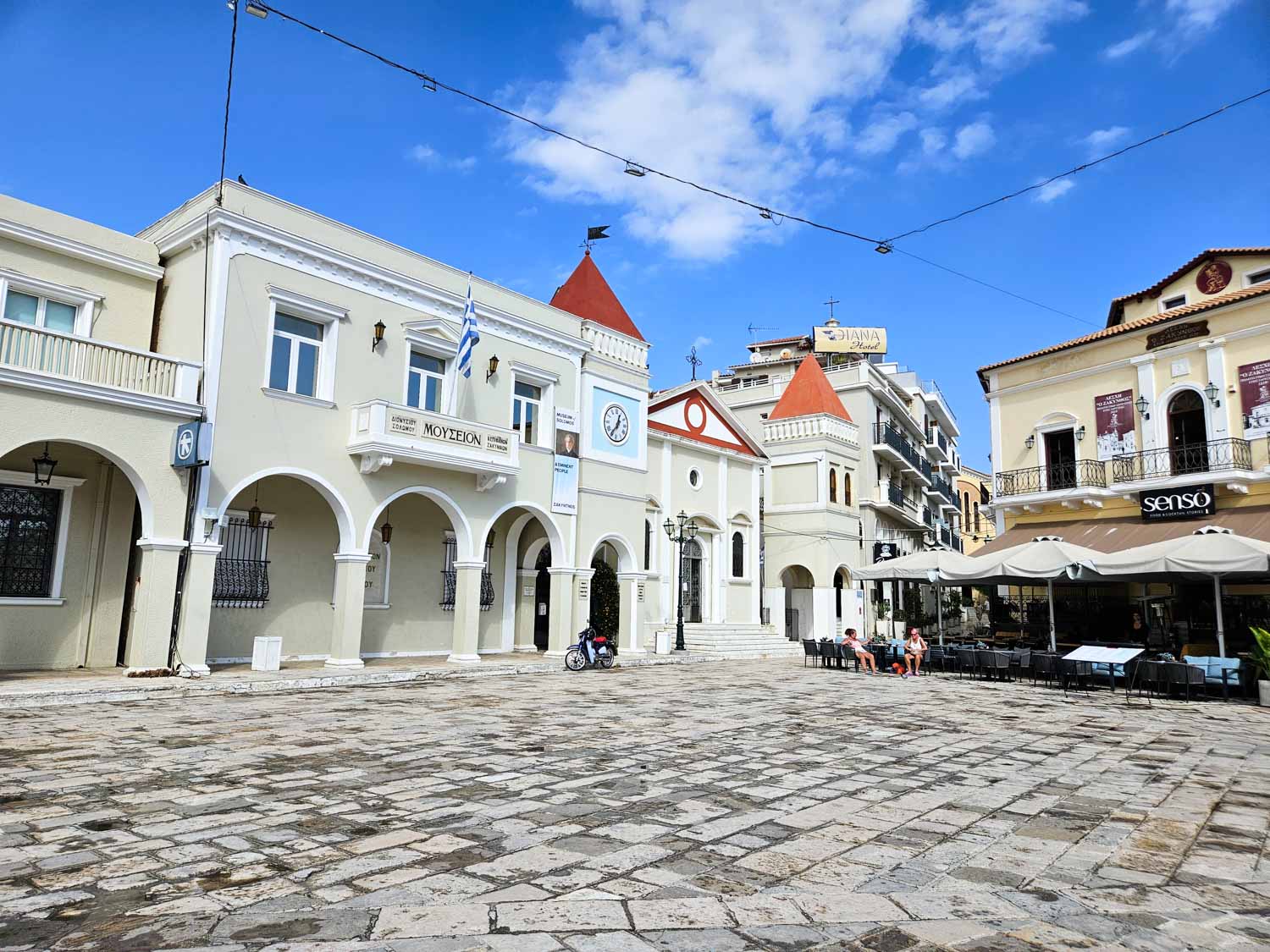
Or at the other end of town, not far from Solomos Square, St Mark’s is a catholic church, a legacy of the island’s Venetian past.
The Byzantine Museum on Solomos square has a display of icons and frescoes rescued from the town’s churches after the earthquake, plus there’s a small museum dedicated to the poet Dionysios Solomos, who wrote the words to the Greek national anthem and was born in the hills above the town. Realistically neither is particularly family-friendly though.

Bochali Castle
In the hills above Zakynthos Town, you’ll find the small village of Bochali, home to the ruins of a Venetian castle dating back to 1646.
There isn’t a huge amount left standing after centuries of earthquakes, although you’ll find stone foundations and the occasional surviving building, with everything from smaller chapels to gunpowder stores, a prison, barracks and even a later football field, added under British rule in the first half of the 19th century.


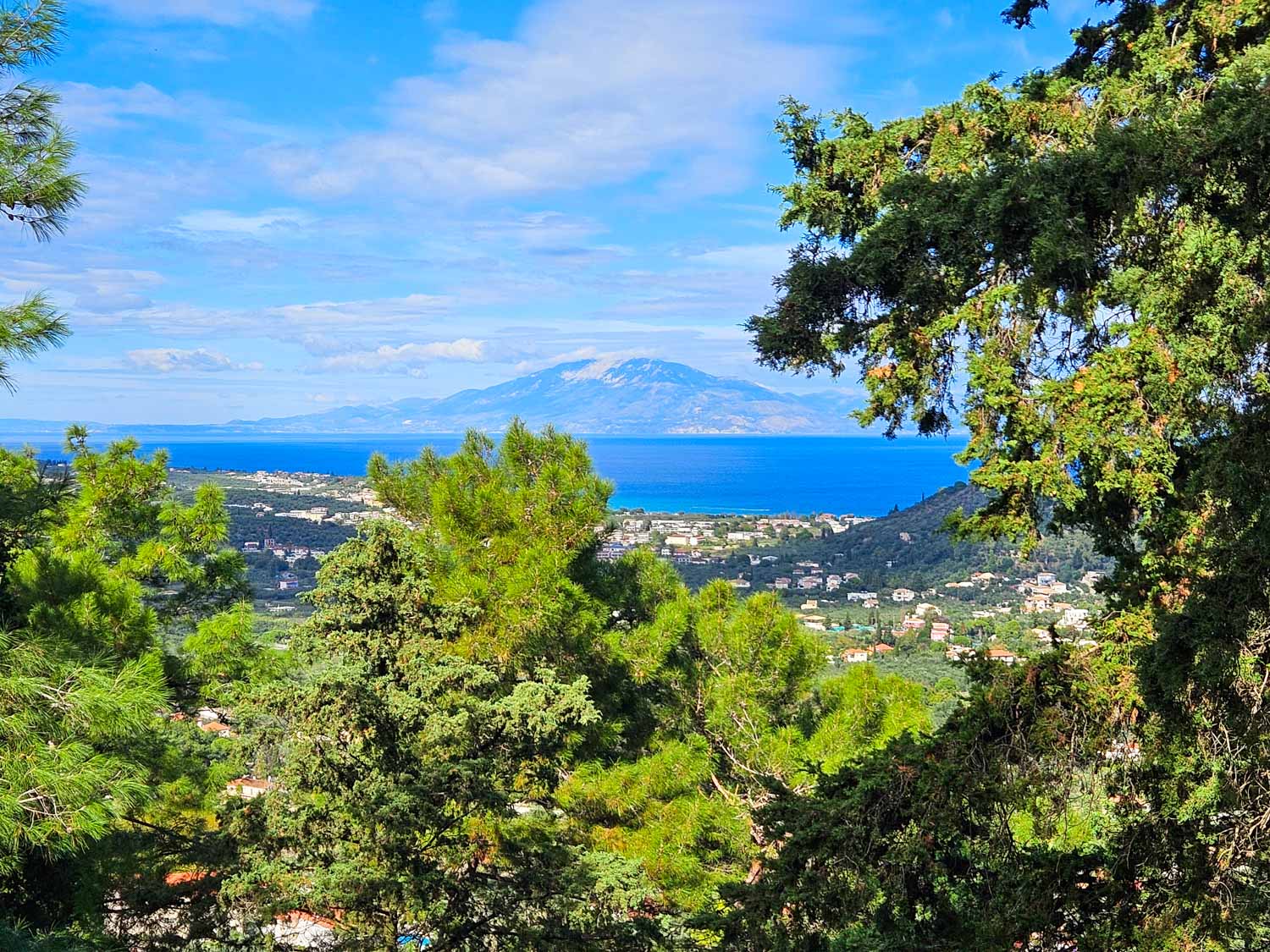
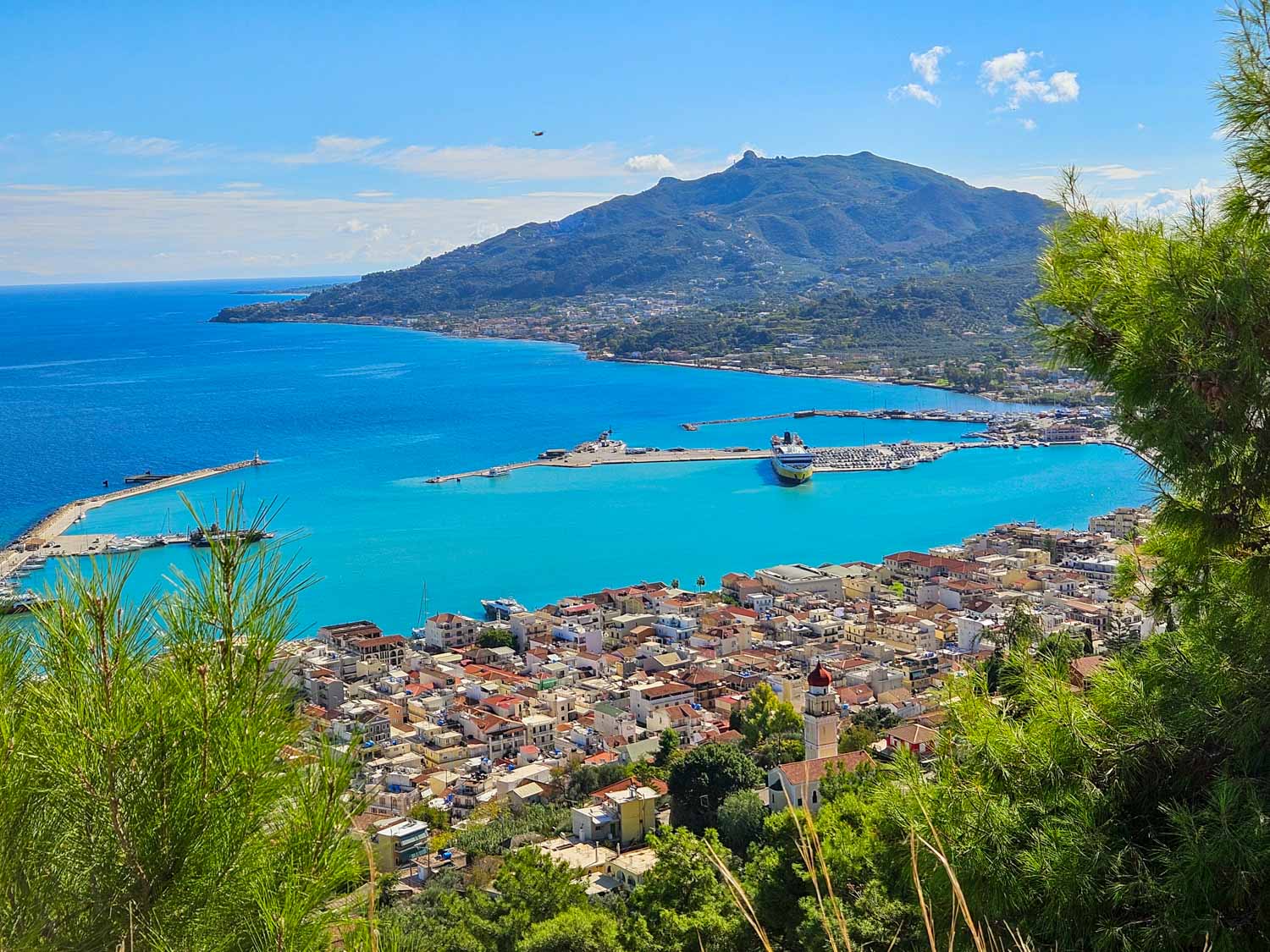
Even if you need to use your imagination to bring the site to life, it’s a lovely place to visit with shady paths under the pines and some spectacular views back down onto Zakynthos Town and out across the sea – on a clear day, I could make out the Greek mainland on the horizon.
There’s plenty of space for kids to roam, and as you stumble across ruins, ancient stone work and quirky details, it definitely feels like an adventure. Some of the more dangerous stonework is blocked off but it’s worth keeping a close eye on younger kids by the surrounding walls, as there are a few steep drops.
If you’ve got your own car, there’s parking right outside the castle grounds. Allow around an hour to explore – last entry is 15.10 and the site closes at 15.30. Adult tickets cost 5 Euros, 3 Euros for kids aged 5+.
Askos Stone Park
Tucked into the hills near the village of Volimes in the north of the island, Askos Stone Park is a rather unusual mix of wildlife sanctuary, farm and forest reserve, built around the old stone pavements, walls and rainwater basins that give the park its name.
It’s a particular hit with young children, since the animals – deer, goats, ponies, rabbits, chickens and raccoons – roam freely rather than being kept in cages. You can sometimes feed the animals by hand, as well as joining in with milking goats and picking olives, depending when you visit.
Allow around an hour to explore the roughly one-kilometre trail through the park – you won’t want to rush, not least because the stone paths are uneven underfoot. It’s also worth checking opening times before you set off, since the park tends to close in the mid-afternoon.
Entry usually includes a bottle of water, although it’s best to arrive outside the hottest part of the day. Tickets cost around 12 Euros for adults.
For something a little closer to Laganas, The Little Farm is another lovely alternative with young kids – as well as petting and feeding the animals, there is some play equipment and crafts to enjoy, along with pizza and ice cream, all set among the olive groves of a farm
Mini golf
You’ll find several mini golf courses across Zakynthos, mostly in the area’s bigger resorts.

Fantasy Mini Golf in Tsilivi has not one but five courses – four 18-hole options and a nine-hole course, each with their own theme – expect anything from dinosaurs, pirates, jungle animals and the Wild West to an erupting volcano. There’s also a play area for toddlers and younger kids too.
Or in Argassi, World Tour Mini Golf has two 18-hole courses, themed with landmarks and locations from around the world.
Getting around Zakynthos
Zakynthos is the third largest of the Ionian islands although it’s still reasonably compact, roughly 40km (25 miles) from north to south. However, the main attractions are spread out between the resorts of the east coast, the wilder west coast around Navagio, and the National Marine Park in the south.
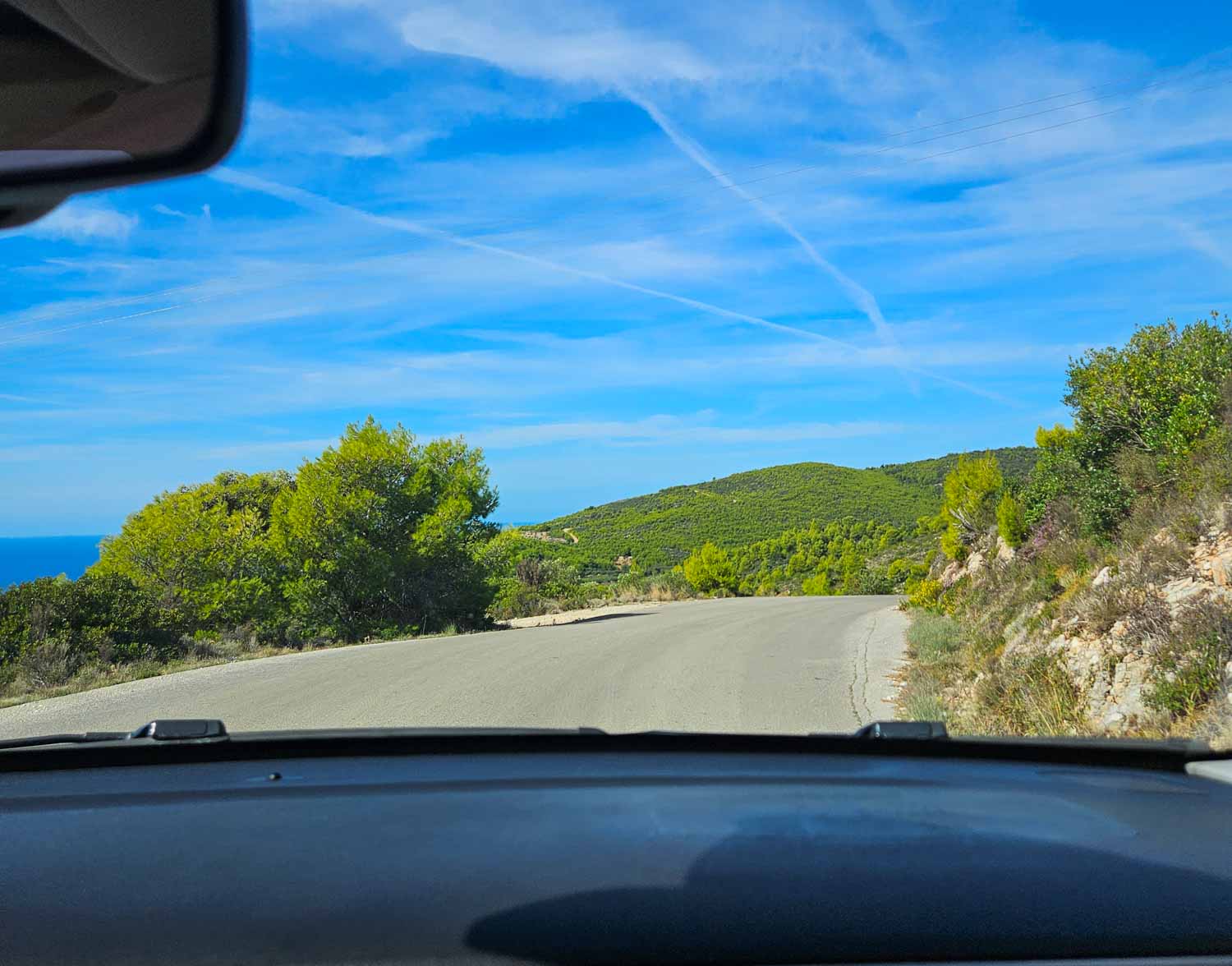
A car is a good option if you want to see beyond the main resorts, as well as if you’re staying in a villa and self-catering. The roads are relatively quiet and while I was glad to have a smaller car on some of the narrower ones and on the more twisting roads through the mountains, it’s an easy place to drive.
If you’re planning to hire a car to explore Greece with kids, one of my favourite sites is Zest Car Rental which I’ve used on various Greek islands
Many of the boat trips – to Navagio and the Blue Caves, or the turtle-spotting excursions and the Keri caves – depart from several different harbours around the island, including Agios Nikolaos and Porto Vromi in the north, and Laganas, Agios Sostis and Keri in the south, so where you’re staying will often determine which trips are most convenient.
If you don’t have your own transport, a lot of boat tours include transfers from the main resorts as an option, sometimes as a paid extra.
Local buses (the KTEL network) run between Zakynthos Town and the main resorts, but services can be infrequent, particularly to the more remote west coast, so they work better for a day trip into town than for reaching sights like Askos Stone Park or the Navagio viewpoint.
There are no ride-hailing services like Uber or Bolt, although you can also get taxis from ranks or by calling the various companies direct. There are also ATVs and quad bikes to hire if you’re visiting with older teens.
Where to stay on Zakynthos with kids
Most of the biggest resorts on Zakynthos are clustered around Tsilivi and Planos just north of Zakynthos Town, on the Vasilikos Peninsula and around Laganas Bay, although you’ll find villas galore if you’re happy to drive and prefer to self-cater.
We stayed in a villa a short drive from Tsilivi, which was ideal – only around 10 minutes from Zakynthos Town and 15 minutes from the airport, it was less than half an hour from the boat trips around Laganas Bay, and under an hour from the north of the island.

Or Tsilivi itself is a great option for families, with its golden sand beach, the water park and plenty of places to eat out.
Laganas is the biggest resort but unless you’re looking for nightlife with older teens, it’s less tempting for families with younger kids. Kalamaki is a better alternative; quieter than its neighbour, you’ve still got the beach, it’s easy to enjoy boat tours leaving from the south coast, and you’ll find plenty of places to stay and eat.
The Vasilikos Peninsula has its own great beaches, especially Banana Beach, but is also quieter than Laganas if you’re looking for somewhere to relax. The only downside is that you’ll need to factor in some extra time if you’re planning to explore – it’s around 30 minutes to Zakynthos Town and around 75-90 minutes to Navagio Beach.
If you’re looking for more of a traditional Greek atmosphere, the north-eastern coast is a good choice, close to Alykes and Alykanas beaches – you’ll find plenty of tavernas along the sand, and it’s also a great base to explore the north, including boat tours to the Blue Caves.
Disclosure: This post contains affiliate links – any purchases you make are unaffected but I may receive a small commission
Images: Navagio Beach rear view/Tsivili Beach/Kalamaki Beach/Xigia Beach/turtle/Blue Caves/waterslides/mini golf courtesy of Depositphotos, all other images copyright MummyTravels
LIKED THIS? SIGN UP FOR MY EMAIL NEWSLETTER