
Visiting Stonehenge after lockdown
There’s something endlessly fascinating about Stonehenge – drawing visitors from around the world, and causing everyone on the A303 to slow down and stare as they drive by. And with the promise of smaller crowds and more chance to appreciate the stones, I was interested to see what a visit to Stonehenge after lockdown would be like.

contains affiliate links*
The last time I visited was shortly before my daughter was born, and before the new visitor centre was created, so while she’s spotted it on journeys to and from Devon, we were overdue a proper stop for her to explore – and I was overdue a return trip myself.
And with another family holiday in Devon planned, Stonehenge was helpfully almost exactly half-way to break up the journey.
Having changed our original holiday plans of Belgium to a last-minute staycation, we were booking only around a week in advance but there was still plenty of availability which was reassuring.
In the end, we were slightly early for our time slot when we arrived at the car park – by the time we’d parked and followed the one-way system to the ticket desk, via hand sanitiser and the toilets (masks required inside), we’d timed it perfectly.
Instead of audio guides, there’s a free app to download, as well as free WiFi at the site if you haven’t done this in advance, and in minutes, we were through.
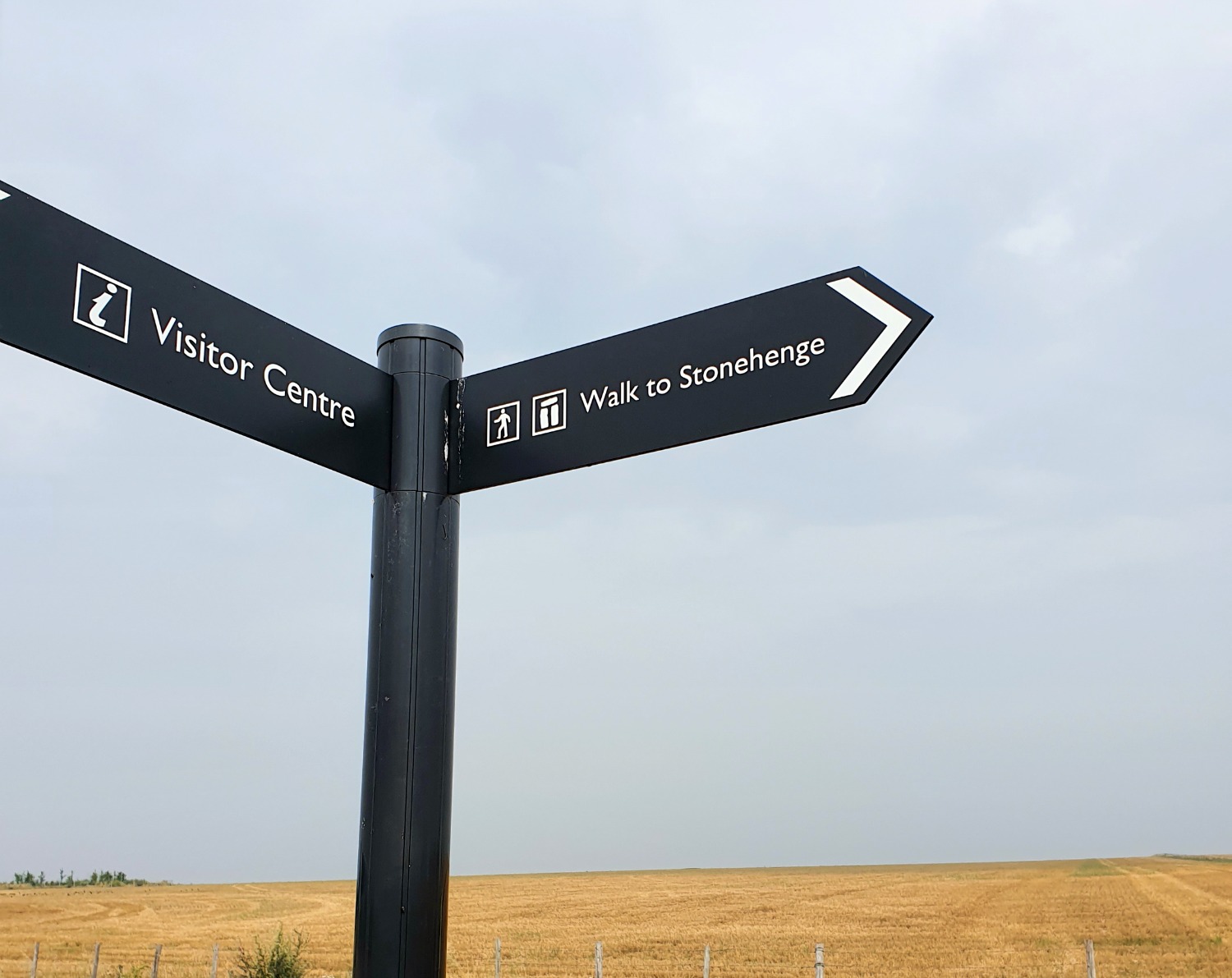
The sun was shining but fortunately the punishing heatwave was over, as the walk to the stones is longer than I remember it being previously, since the site has been revamped.
There’s a free shuttle bus if you need it, but with limited numbers on each bus and passengers spread out to ensure social distancing, you’re asked not to board if you don’t have to.
And under a blue sky, it was a lovely introduction to wander through the fields, with some signs giving more information about the approach and staff to point you in the right direction (although it’s almost impossible to stray off the path by accident).
Along the way, my daughter dredged up everything she could remember from her lessons about the Stone Age in Year 2: quite a bit, it turned out, although we did have to doublecheck just how long mammoth tusks are.
Up to about 14 feet, apparently, although the average was a mere 8 foot long. We also got slightly sidetracked as I tried to remember how you would make woad – and my eight-year-old dismissively announced that painting your face blue wasn’t scary at all.
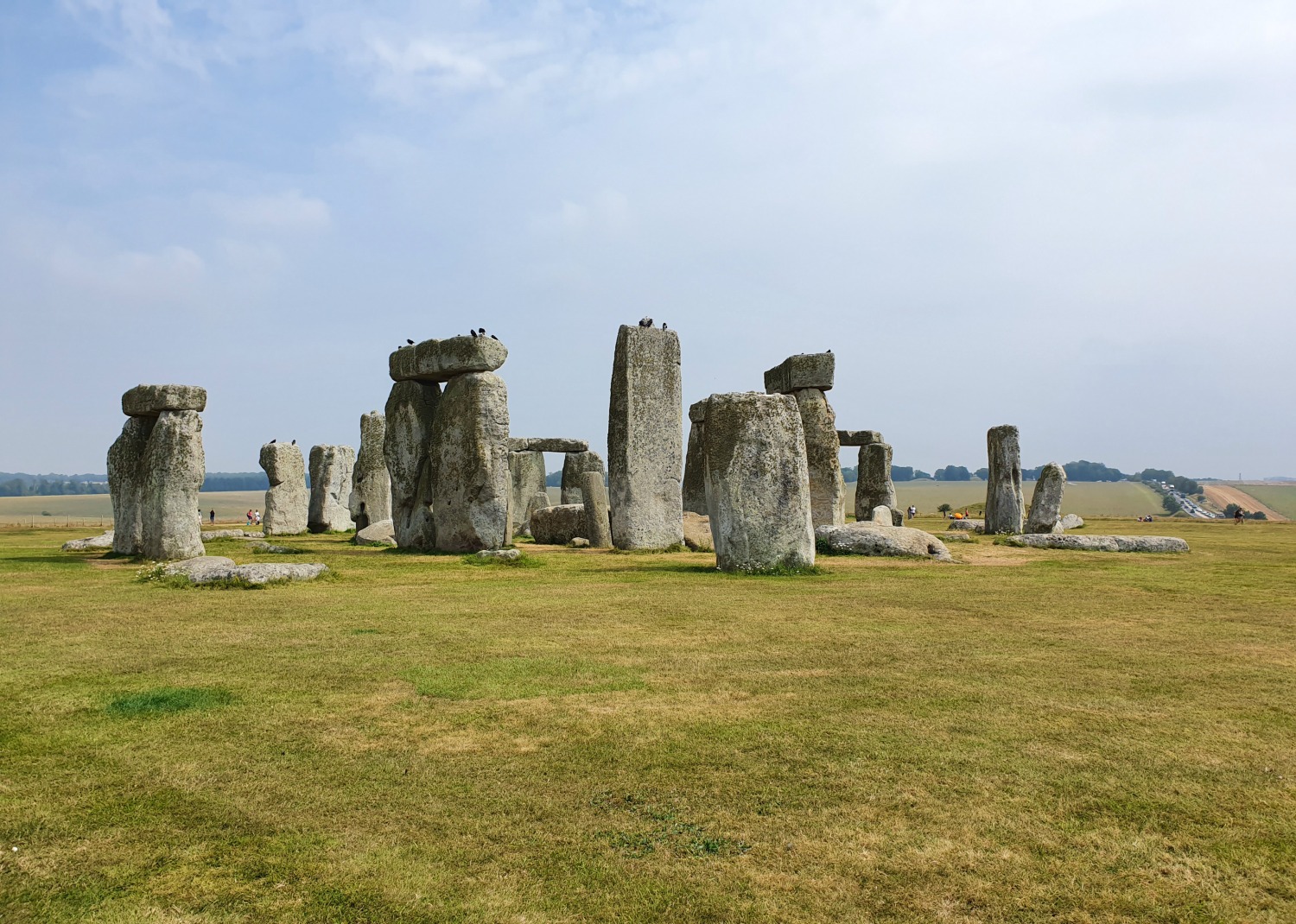
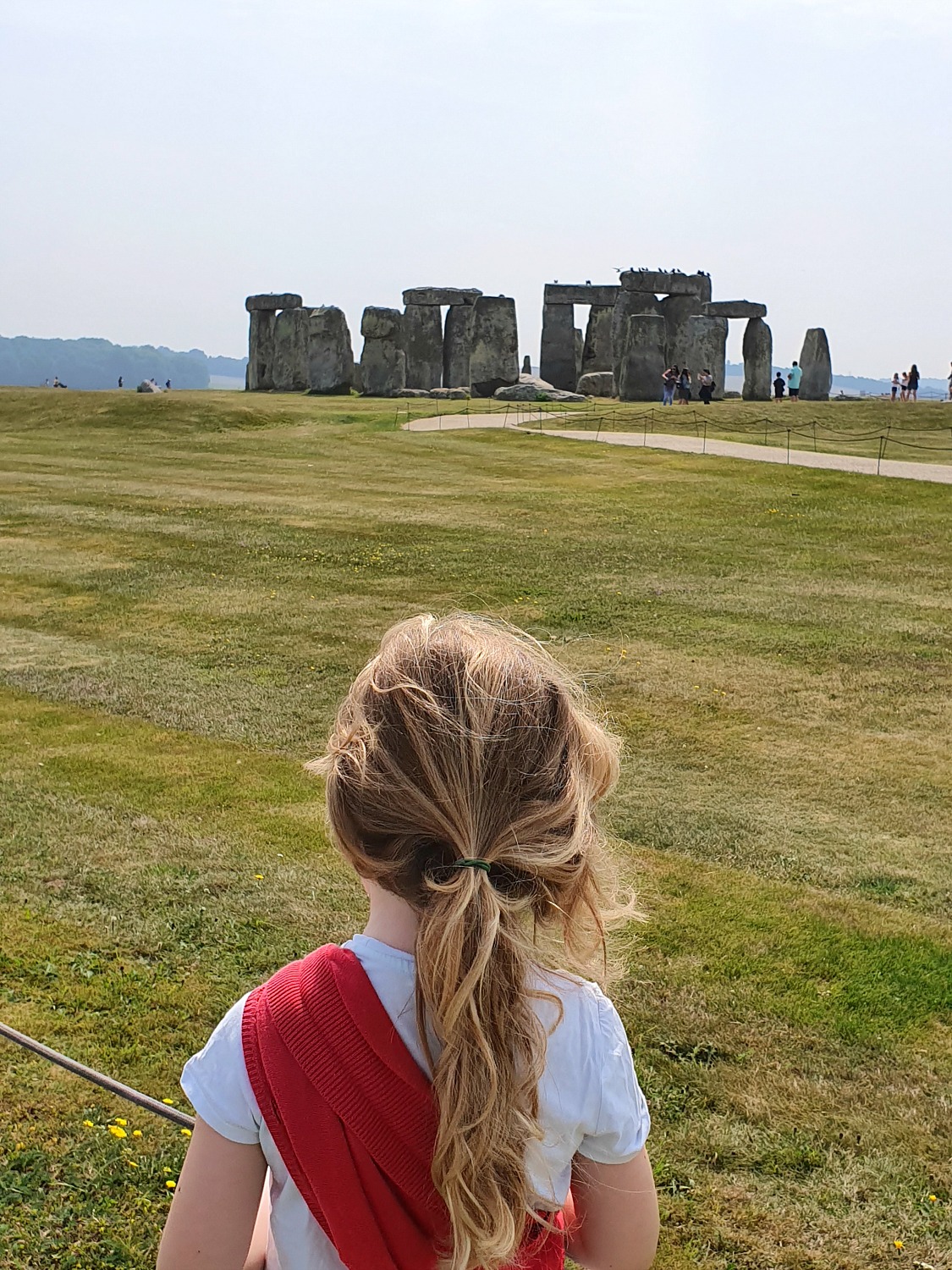
And then suddenly, on the horizon, the famous circles of stones.
Seeing them grow ever larger made it even more impressive – the fields themselves feel timeless (apart from the distant rumble of traffic on the A303) and while I doubt the Neolithic builders would have entirely recognised the countryside, you get some sense of what it must have been like to approach this sacred site.
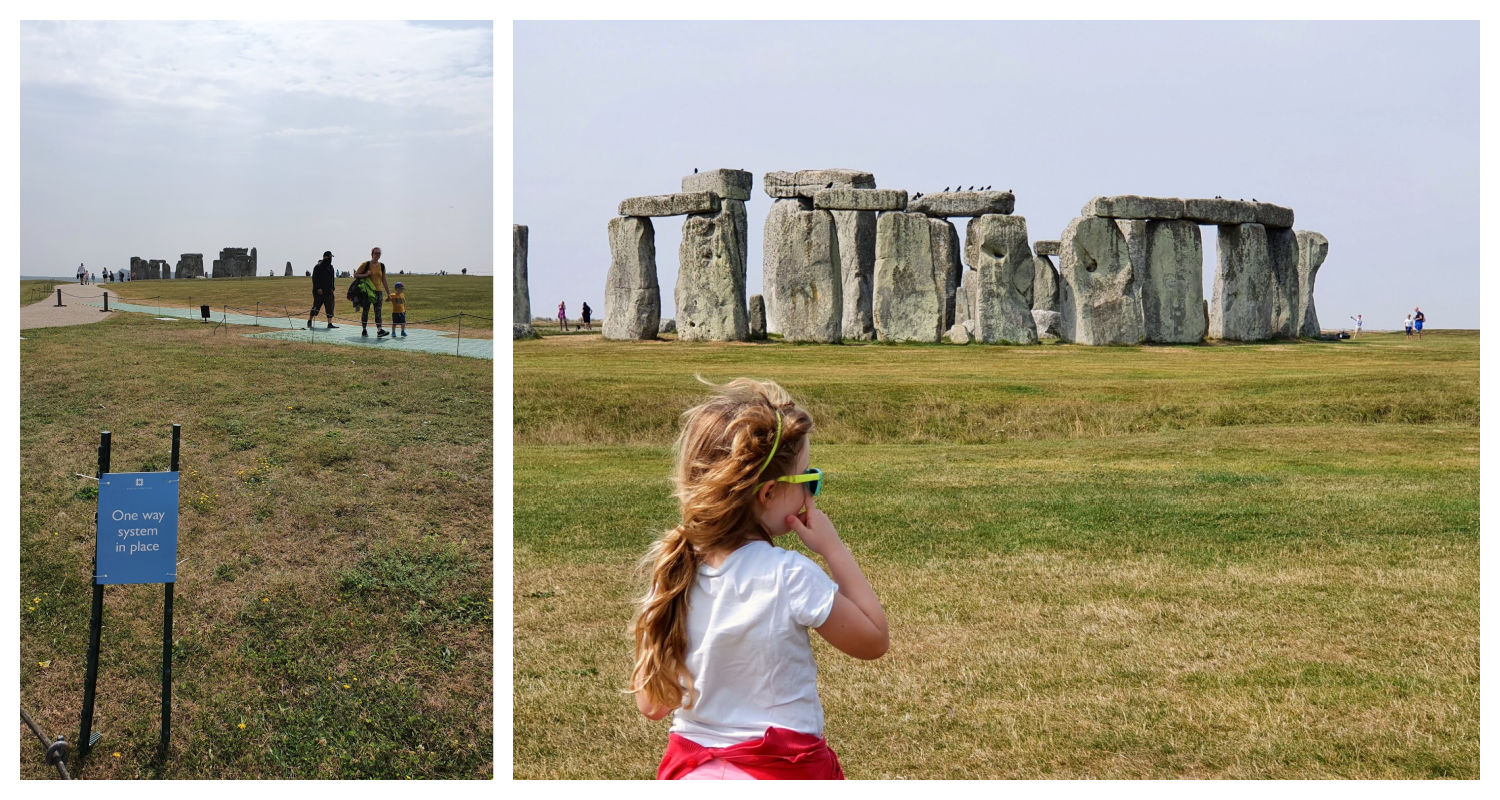
There’s a one-way system around the stones as well, although the limited numbers meant we didn’t have to share with the usual crowds of an August day.
Happily, all the visitors were also taking care to distance from each other in between listening to the commentary on the app and snapping their photos.
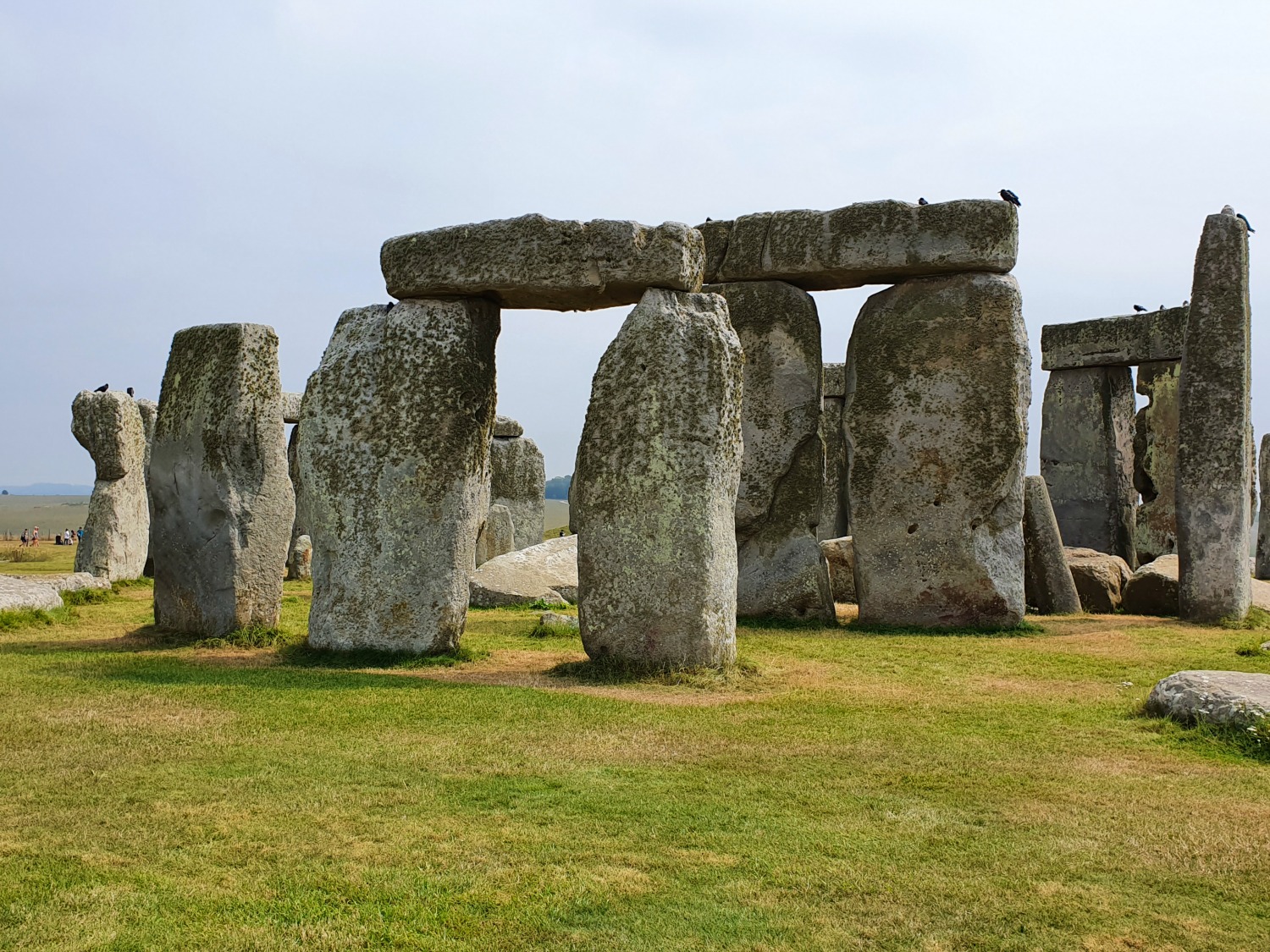
Stonehenge itself is as impressive as ever – it always amazes me the effort which went in to constructing the site and the precision to align the stones for the midwinter and midsummer solstice.
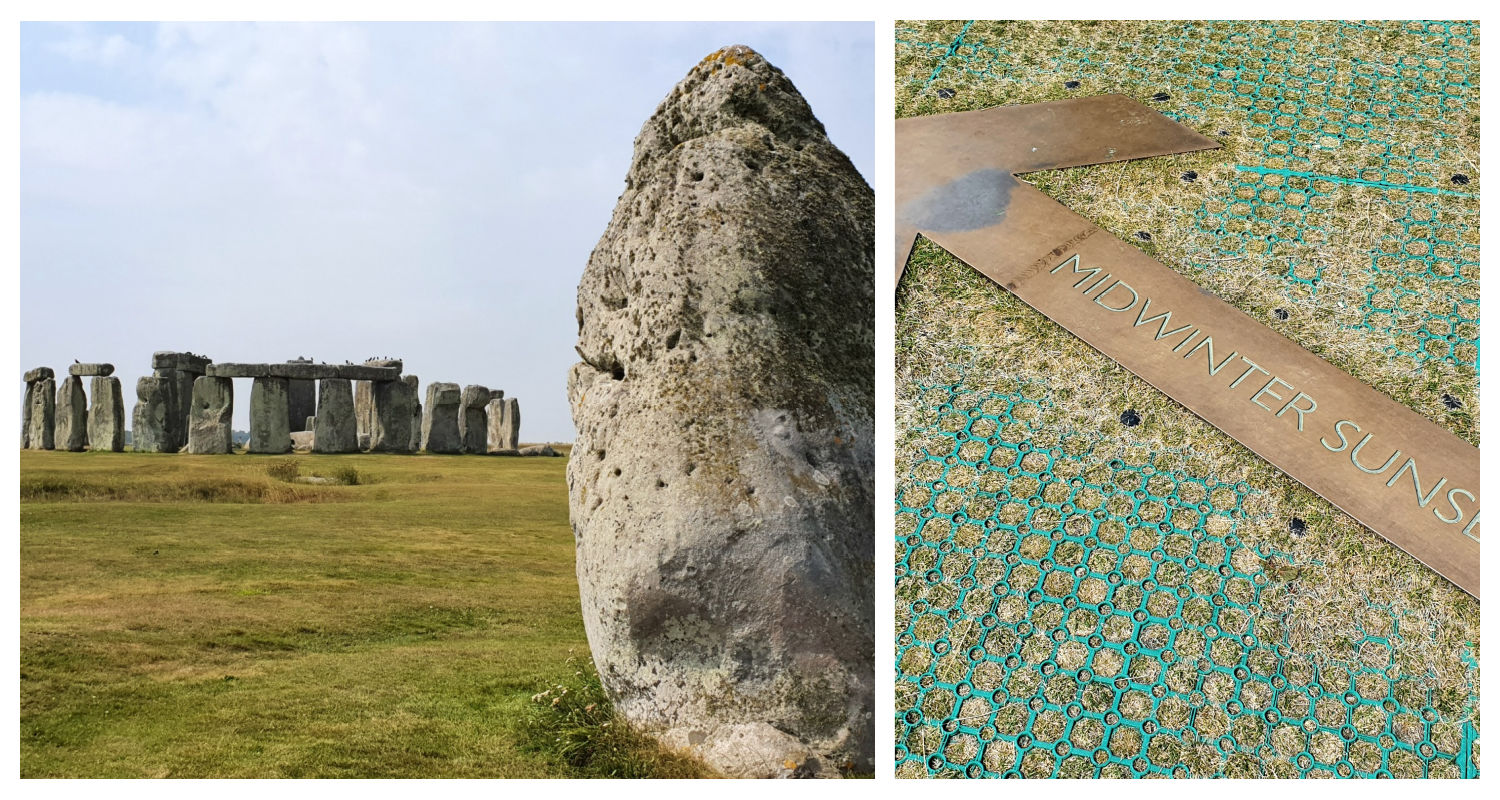
Not to mention the sheer size of the biggest stones and the mystery of the site, the questions archaeologists and historians still can’t answer.
Having soaked up the views from every angle, we headed back to check out the visitor centre – via the cafe, which has some outdoor tables: face coverings are required inside when you order.
The little replica village is mostly closed up, although you can scan a QR code to watch demonstrations of various prehistoric skills… including cheese making.
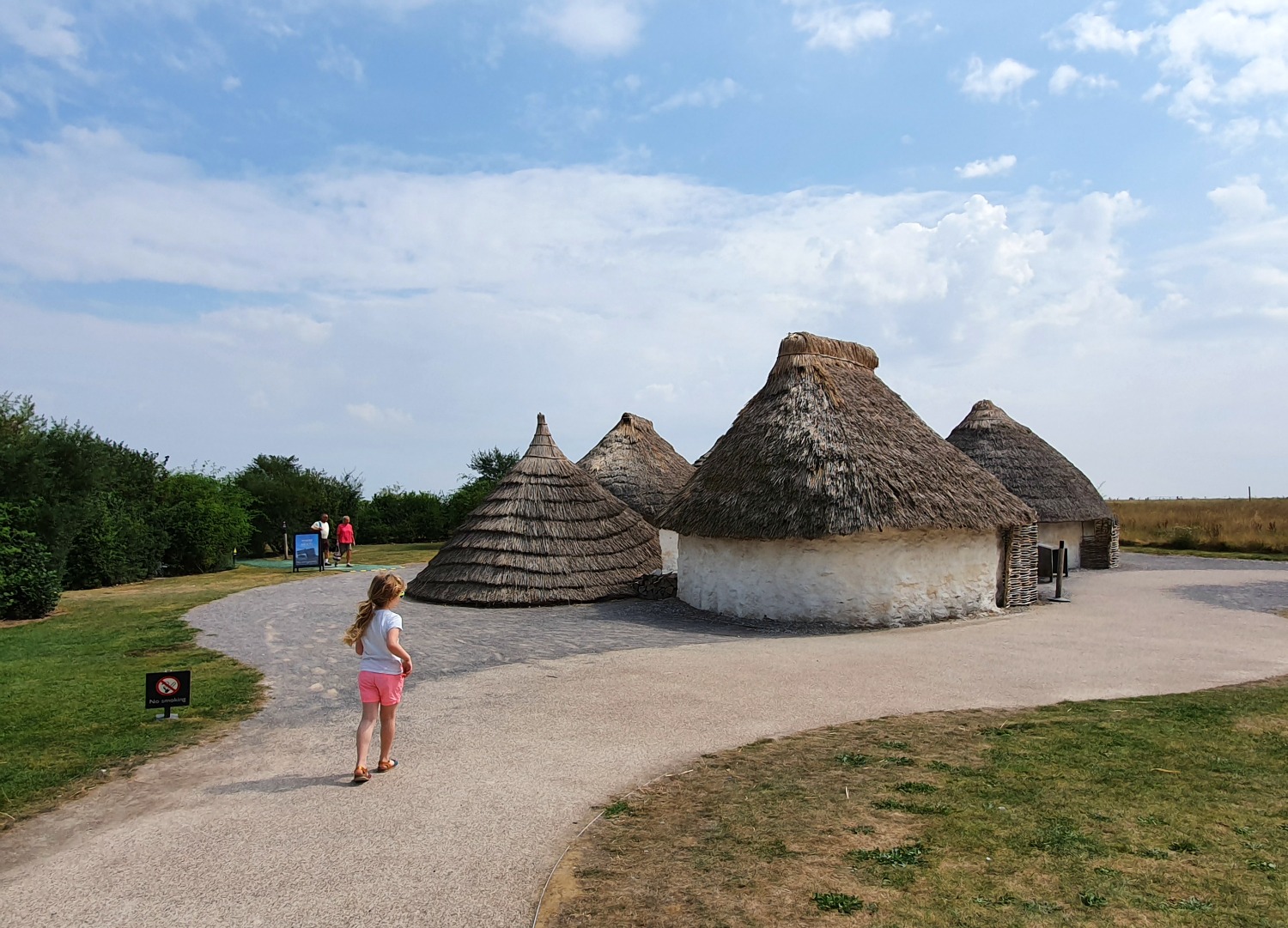
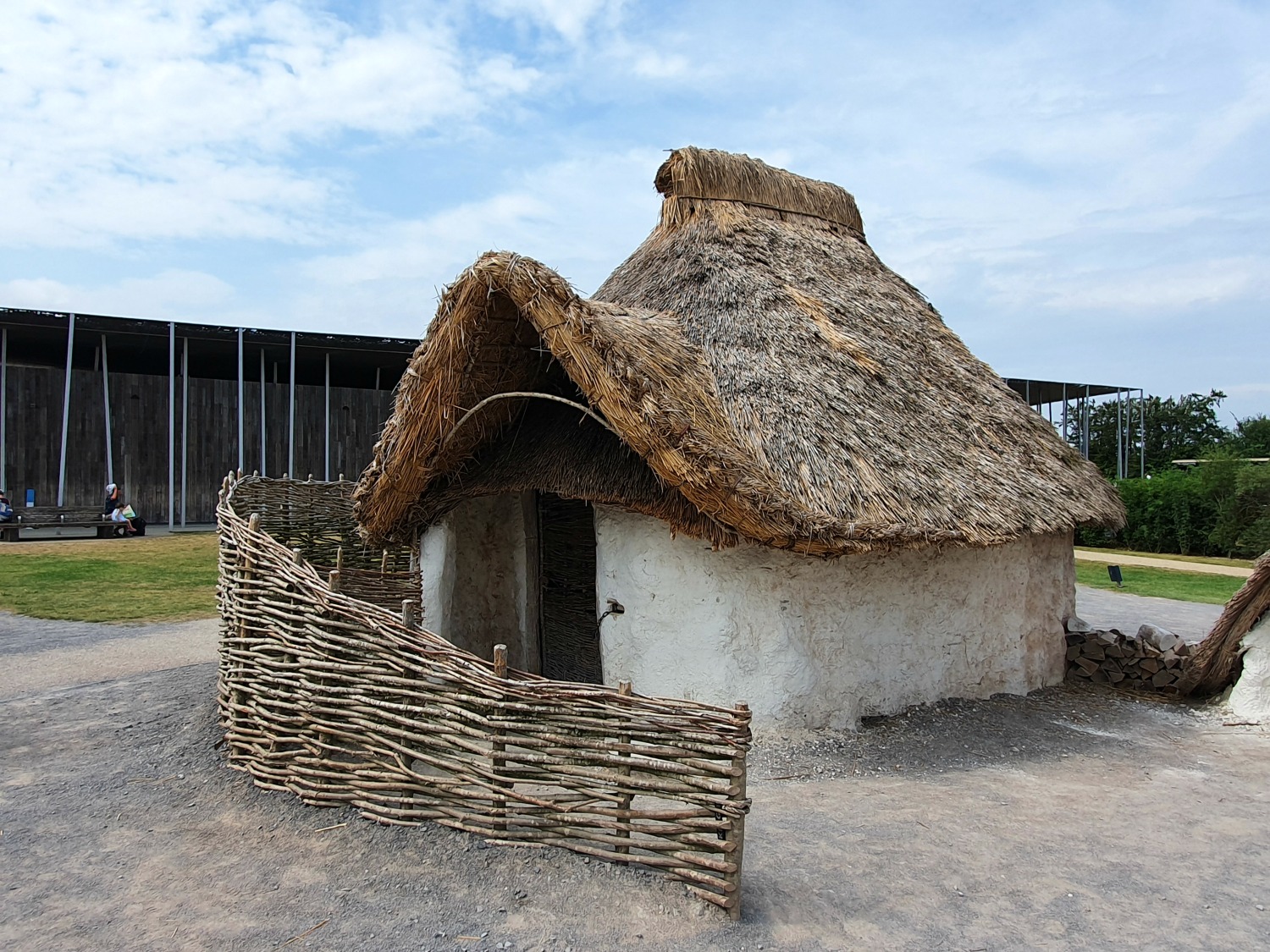
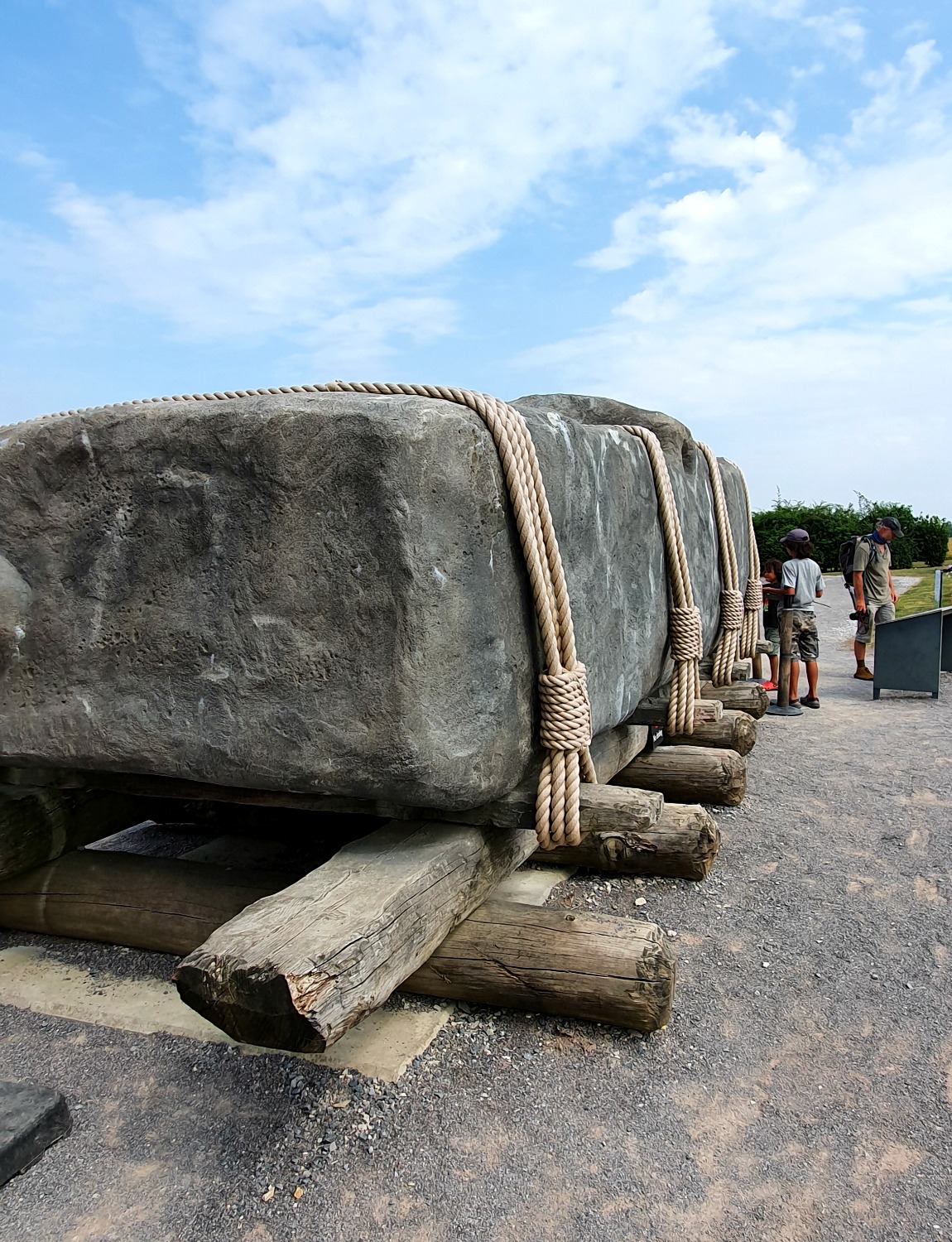
One of the interactive displays nearby is also roped off so you can’t try to measure your strength against a replica sarsen.
But to really bring everything to life, the little visitor centre itself is lovely: numbers inside are limited and as ever, masks are needed but it’s well worth a look.
The initial video shows the site through the seasons and across the years, to give a sense of how it has changed, as well as showing the sun shining through the stones as it rises at the midsummer solstice and sets at its midwinter counterpart.
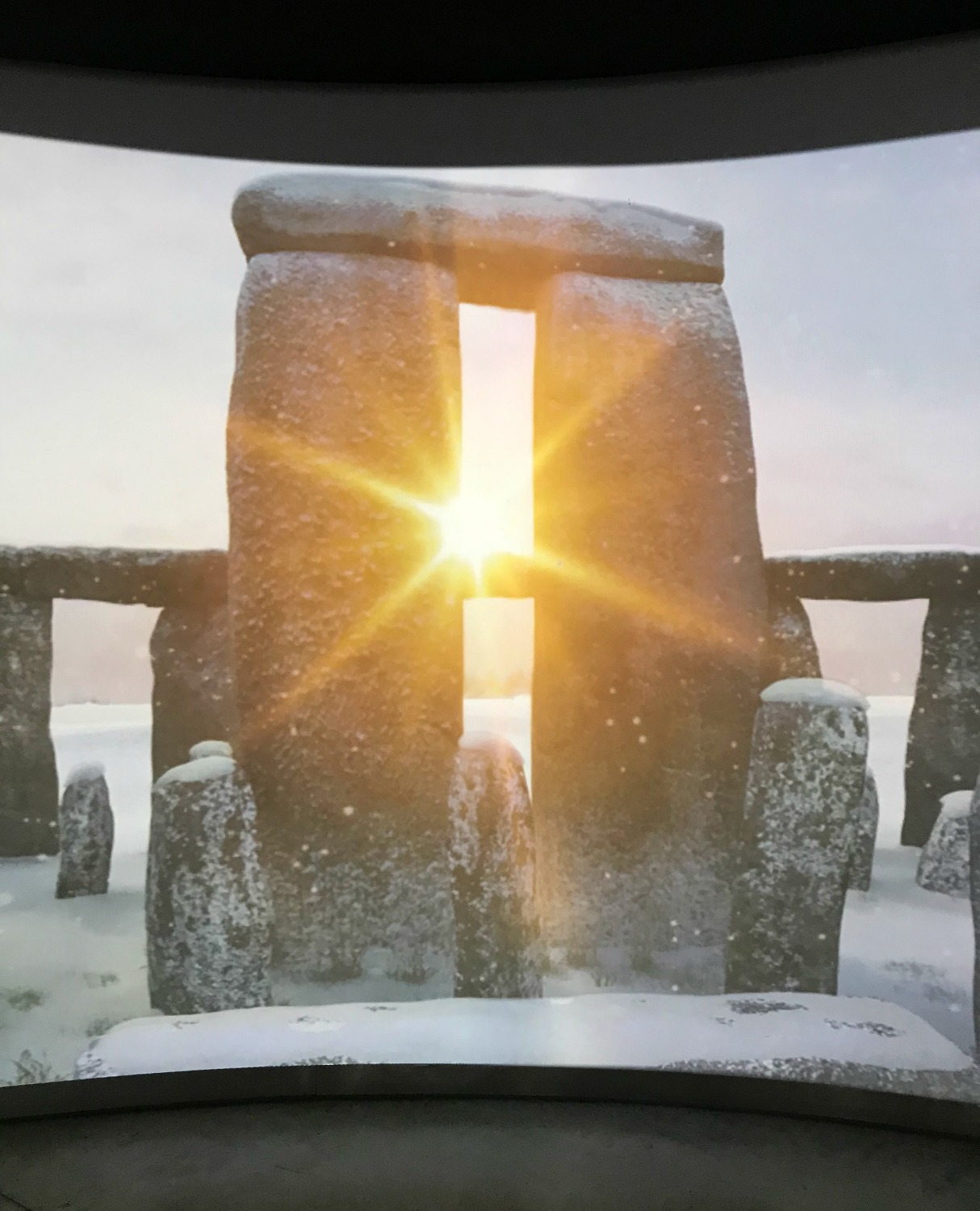
A little taste of how magical it must have felt to see it in person – and intriguing to discover that for the Neolithic builders, the midwinter solstice might well have been more important than midsummer, which tends to have a higher profile today.
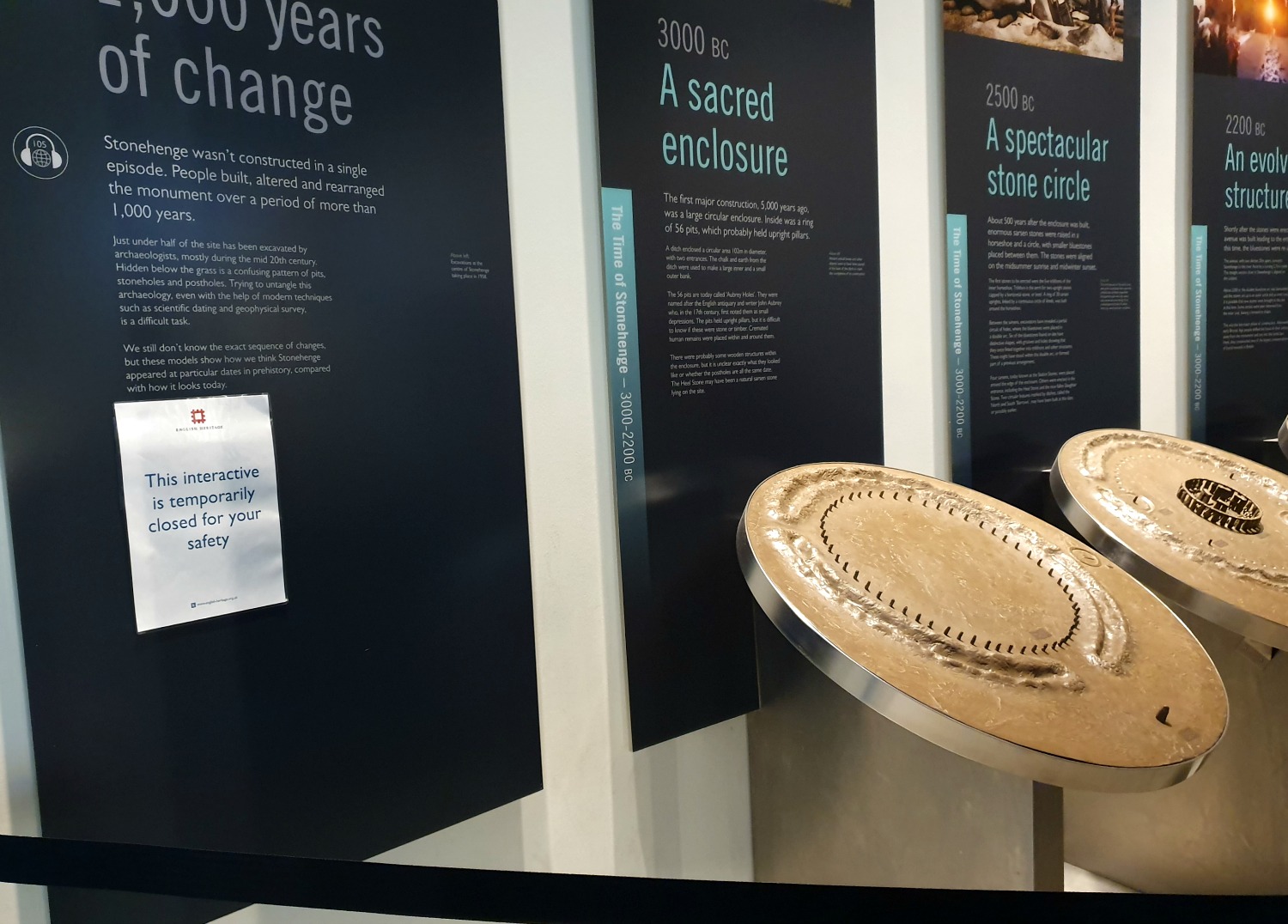
Then there are more exhibits with background on the site and archaeological discoveries nearby, including a skeleton unearthed from a barrow and a recreation of what he might have looked like.
Some of the interactive models inside are also currently roped off but you don’t miss out on too much by not being able to press buttons.
And to finish, a display of photos with people’s memories of Stonehenge: not only early photos of the gentry enjoying picnics by the stones, but more recent shots of festivals, of kids sitting on the ancient site, even one archaeologist’s son who remembered being present at a dig.
Plus the Battle of the Beanfield, which I vaguely remember from news headlines as a child – I did get the feeling my daughter thought 1985 was almost as ancient as prehistoric times, admittedly.
We spent around two and a half hours including lunch, without rushing too much – without an eight-year-old, you could also spend longer to take in every detail, but it felt the perfect amount of time to enjoy the site (and as a stop off to break up our journey).
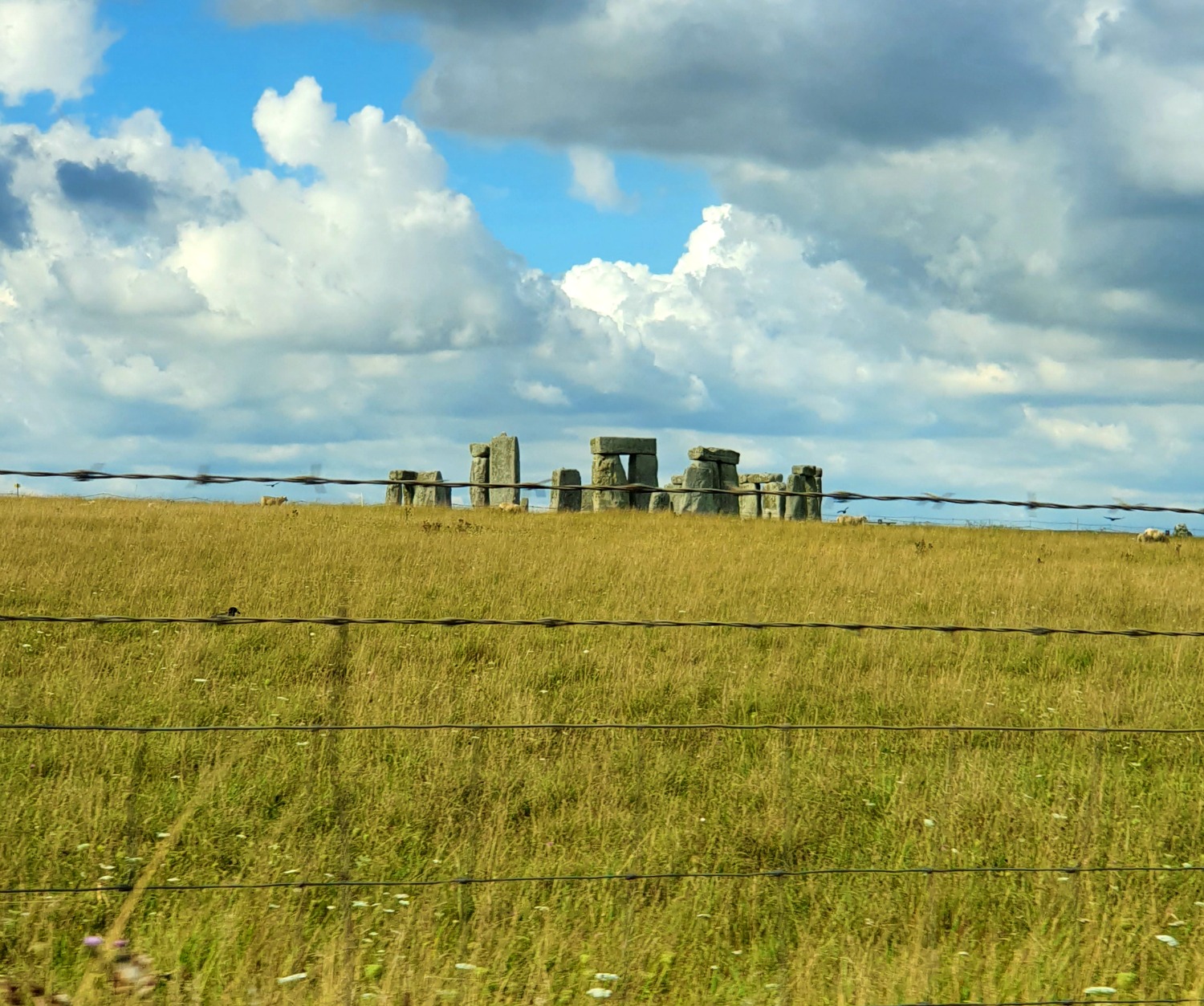
Although driving back five days later, the stones glowing again in the late afternoon sun, I still wished we could pull over and walk up to marvel at them once more.
For more things to do near Stonehenge, check out my tips for visiting Salisbury with kids, including Salisbury cathedral. Or for more ancient stones, you’re around 40 minutes from Avebury by car, the largest stone circle in the world.
Need to know: Stonehenge after lockdown
Tickets cost from £25.40 for adults, from £15 for children aged five to 17 and family tickets for two adults and up to three children cost £65.80. There’s a discount if you buy your ticket online in advance.
Free for English Heritage and National Trust England members (bring your membership card as proof).
The site closes at 5pm, so you’re advised to arrive by 2.30pm to allow enough time to explore.
Parking is free for English Heritage and National England members with your membership card, but there’s a charge otherwise.
PIN FOR LATER: STONEHENGE AFTER LOCKDOWN
Disclosure: This post contains affiliate links – any purchases you make are unaffected but I may receive a small commission
Images copyright MummyTravels
