Barbary Macaques at Trentham Monkey Forest
‘The monkeys don’t mind the rain,’ Matt assured us, as we stepped through the gates. ‘They’ll be out and about as usual.’ It was all right for them, they had fur coats on on the wettest, coldest August bank holiday for years. But firstly, Matt – the attraction’s manager – was right, the macaques at Trentham Monkey Forest barely seemed to notice.

ad – review visit*
And secondly, it’s such a fantastic day out, watching Barbary Macaques going about their daily monkey business, that even the rain couldn’t dampen our enthusiasm.
Besides, I’d promised Minnie days before that we’d be visiting monkeys, so no mere weather was going to make me disappoint a toddler.
Especially when I was looking forward to seeing her face as well. I’d visited the Monkey Forest a few years ago, pre-baby, and loved it but I couldn’t wait to see what she thought.
Dating back to the Domesday Book, when Trentham was described as a Royal Manor, the former estate of the Dukes of Sutherland is part of a very English tradition going back centuries. So it’s a slight surprise to find that 60 acres of the park’s woodlands are also home to 140 Barbary Macaques.

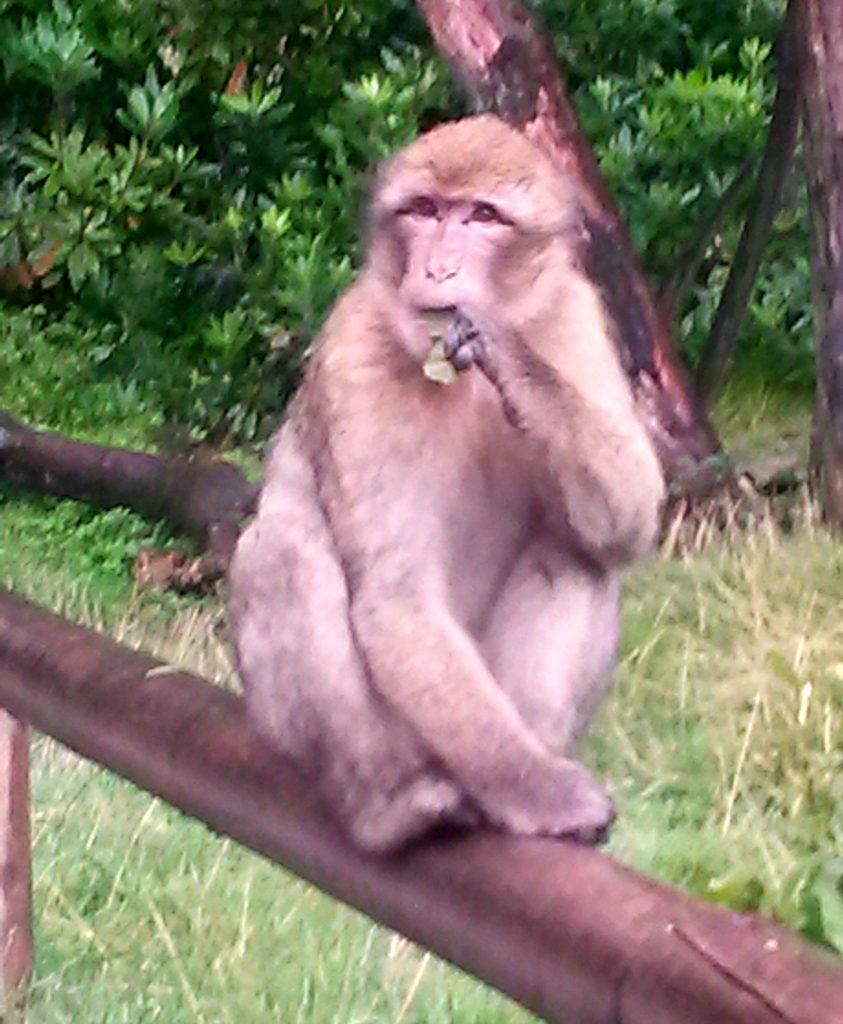
And despite being native to North Africa, including Morocco and Algeria (and most famously making their home on Gibraltar), they seem distinctly at home in the Staffordshire countryside.
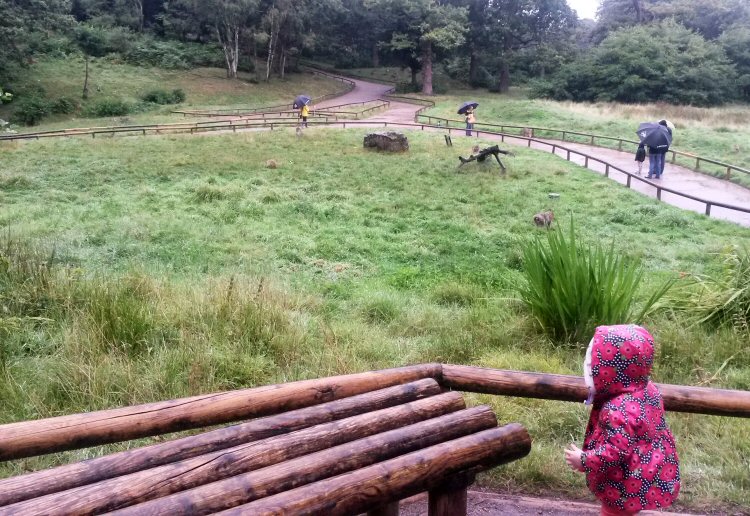
Unlike a zoo, the macaques live (practically) wild here. In fact, it’s the most common surprise for visitors, that they don’t get tucked away in cages for the winter – as their natural habitat includes the mountains of north Africa, when you think about it, Staffordshire is almost a beach holiday…
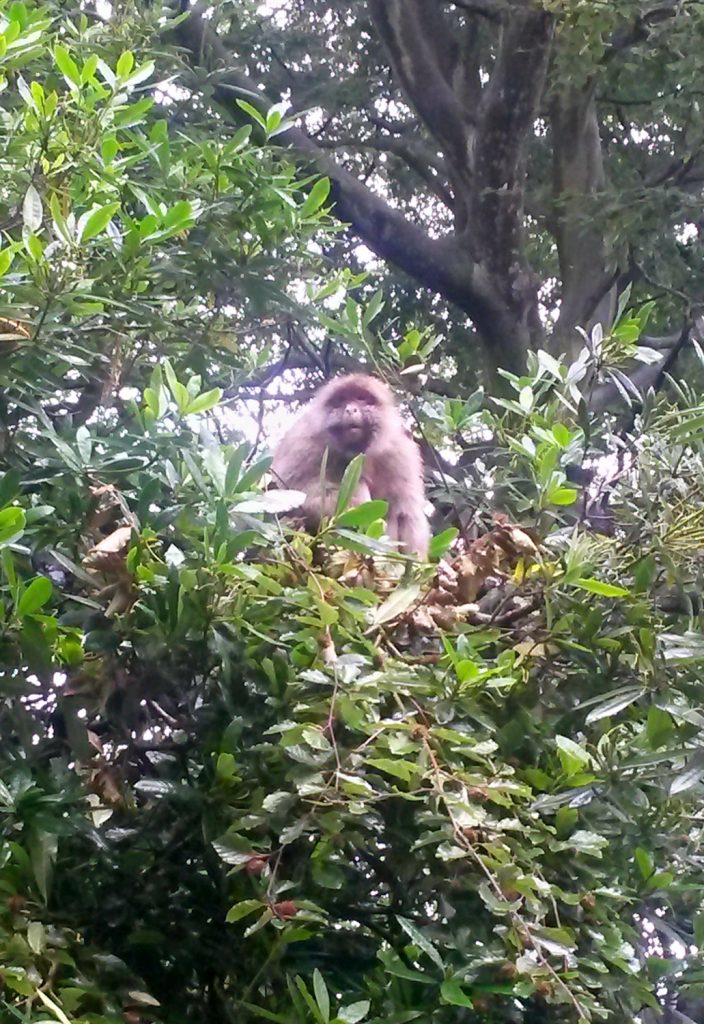
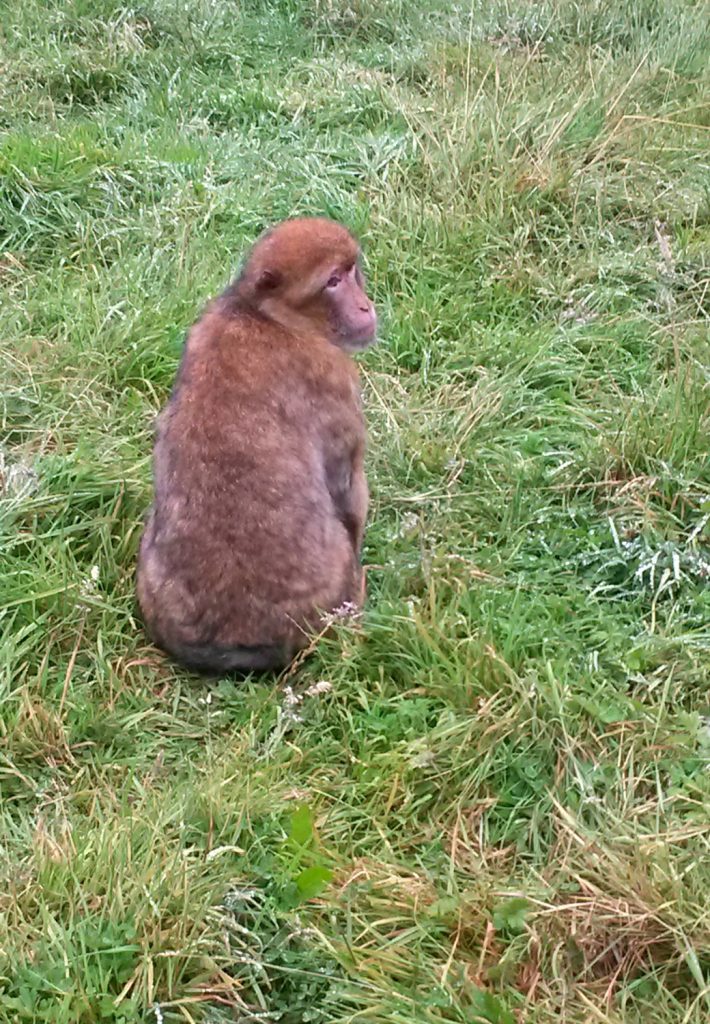
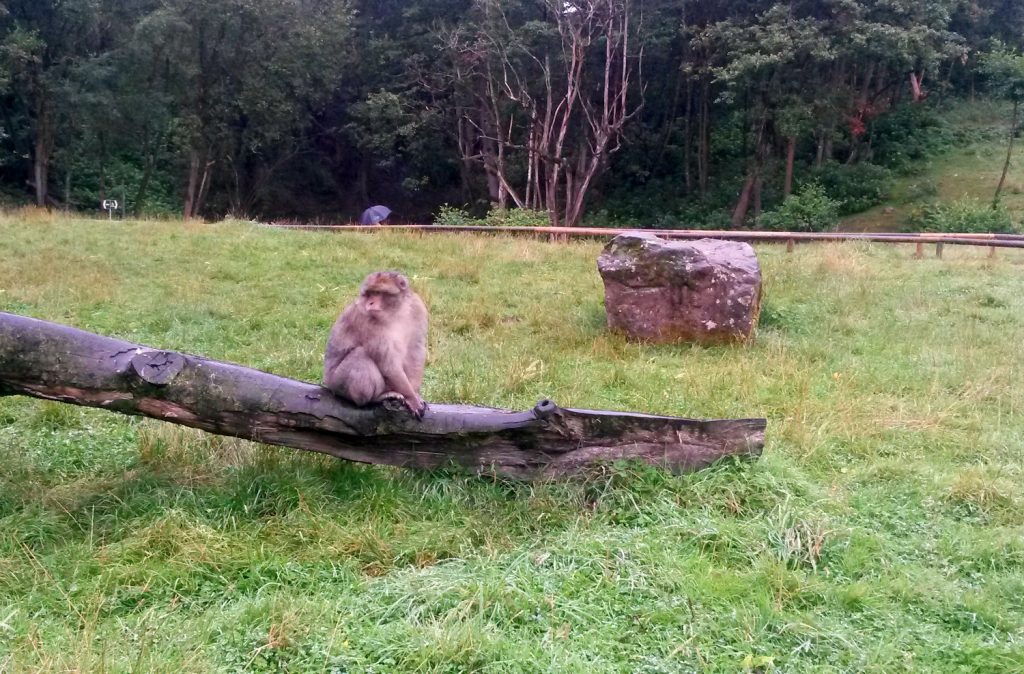
And while they’re fed at regular intervals during the day, it’s done in such a way that the animals still have to hunt for their food. In between, they get to jump through the trees, chase each other around, relax on logs and generally enjoy being the social animals that they are.
Even better, there were half a dozen babies to spot. Very cute, with darker fur, they mostly clung to their mothers – these youngest ones, mostly aged three to five months, were still clinging to the backs of the adults, especially the sociable males who use them to bond with other macaques, while their siblings born the year before were testing themselves warily on higher branches.
Minnie was far more interested in the slightly older ones, aged two or three, who were scampering around after each other.
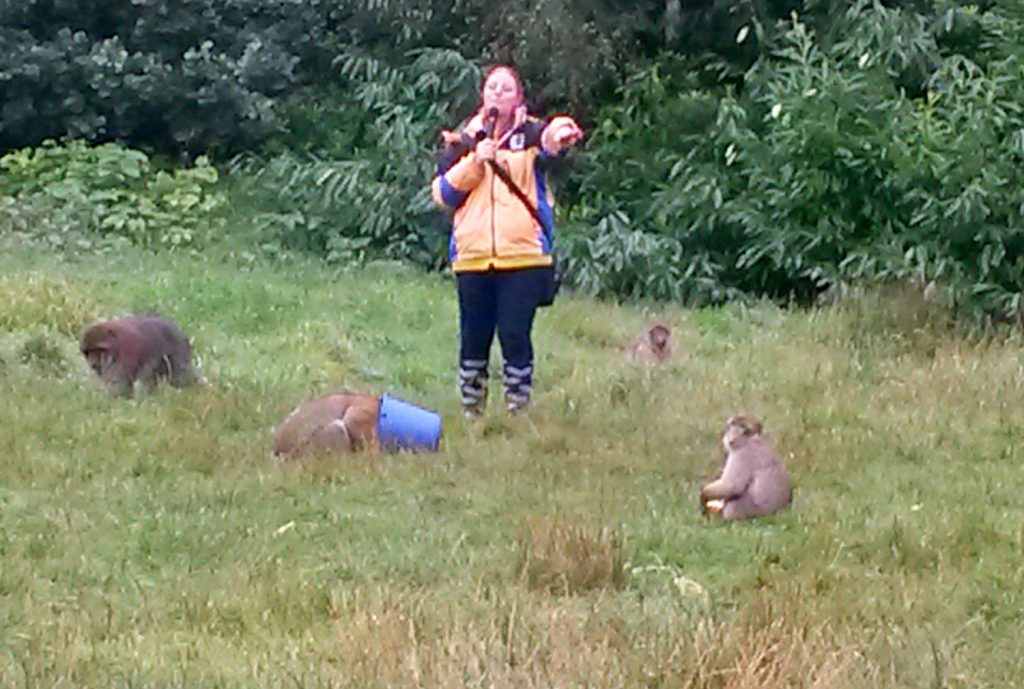
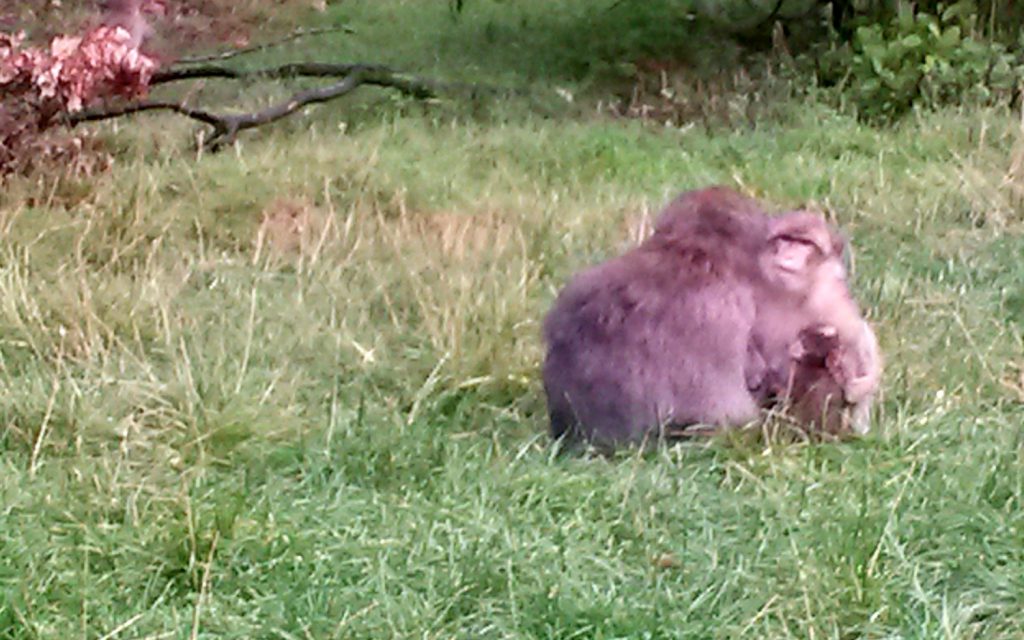
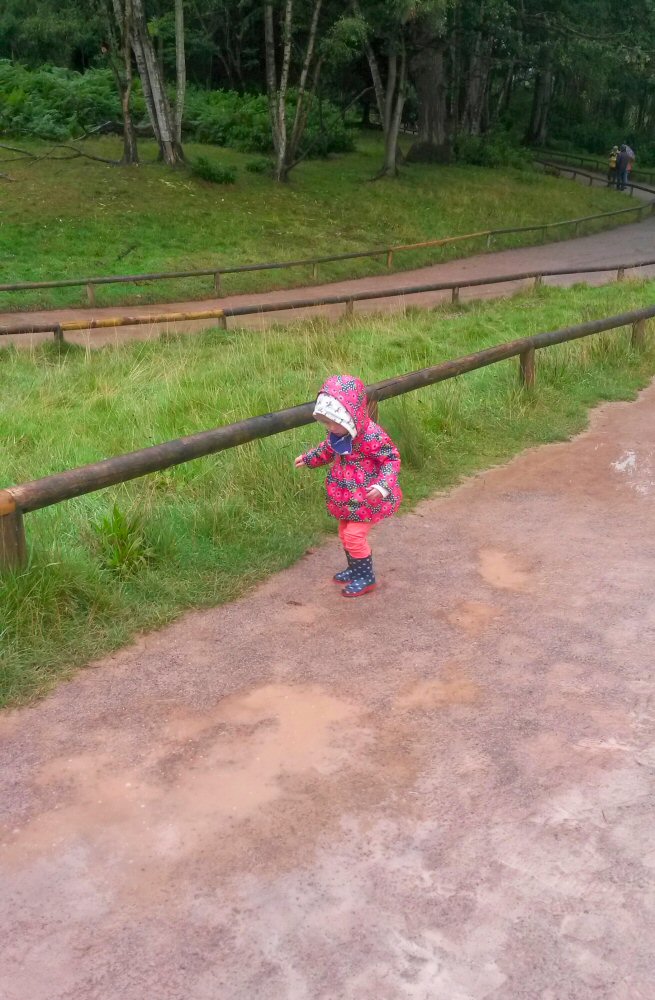
I hesitate to say she recognised kindred spirits but between splashing through puddles and asking for ‘more monkeys’, there was a fair amount of excited toddler scampering as well.
Having come down from their night-time branches, the females relaxed and groomed each other – another sociable trait – while the fluffier dominant males strolled around clasping a half-eaten apple as they sauntered across the paths, occasionally play-fighting, baring their teeth in warning and yawning endlessly, all with the faintly disapproving look the macaques’ down-turned mouths give them.
The 140 macaques are divided into two groups based on the same two troops which were brought to the Monkey Forest when it opened. Endangered in their homes of Morocco and Algeria, the park also helps in conservation.
And while they can roam free, within the boundaries, visitors are asked to keep 1m away from the monkeys and restricted to paths through the grassy areas and forest.
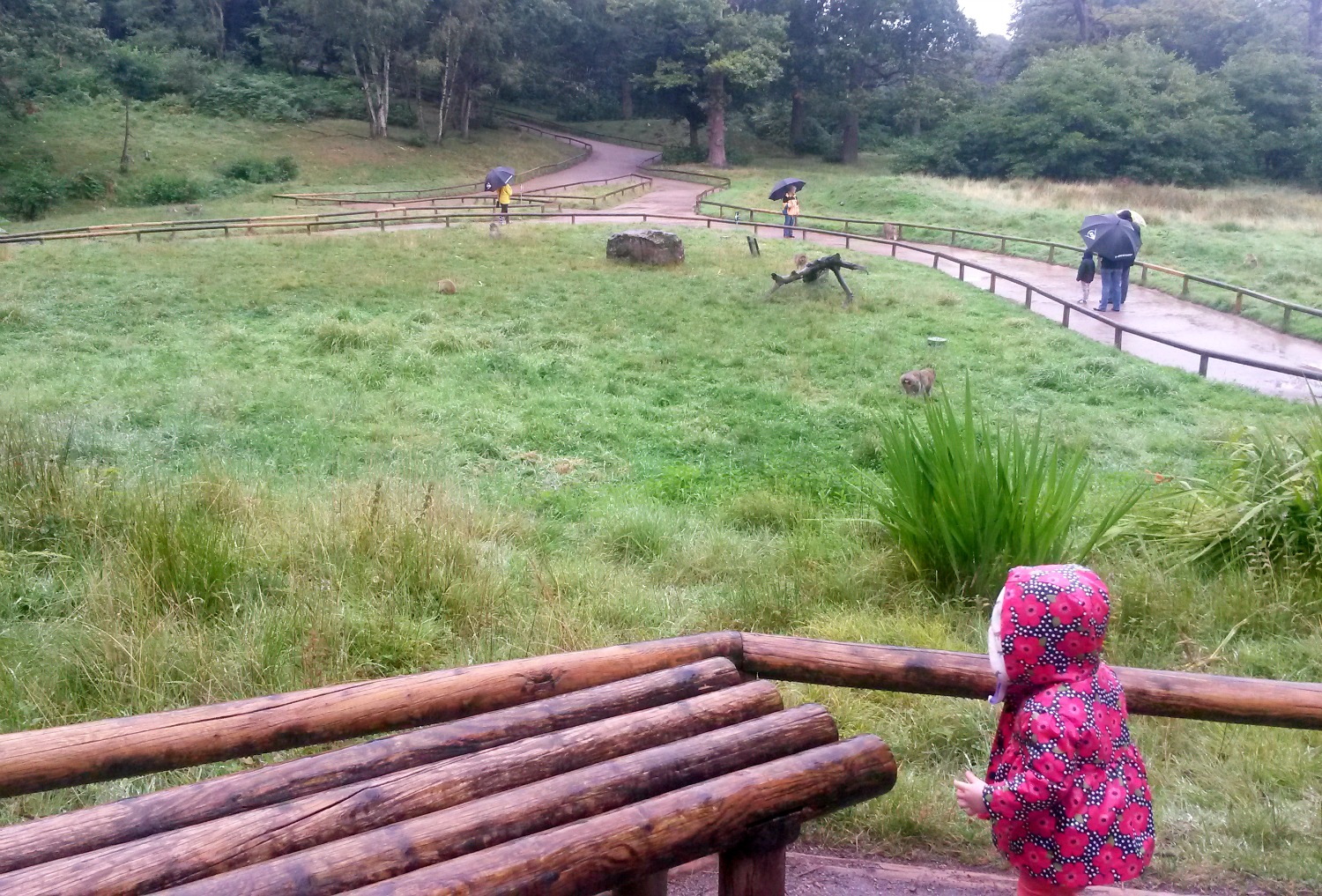
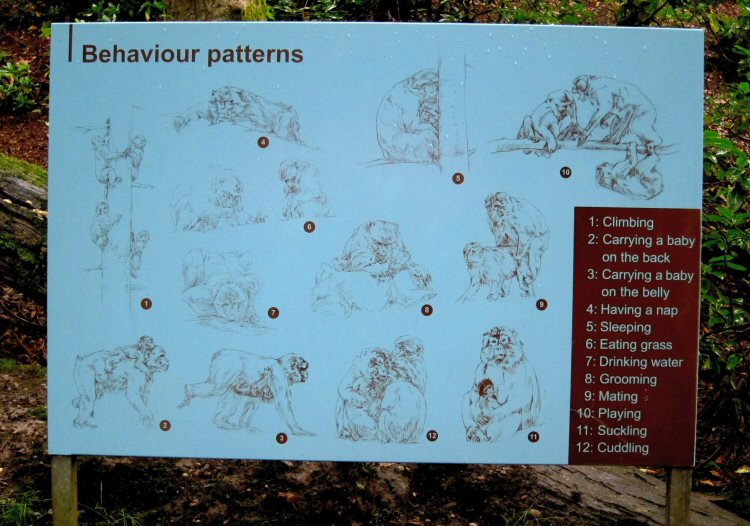
The aim is to help conserve this threatened species and educate both researchers and children – as well as being fun. So as you wander the three-quarter mile path, there are information boards dotted around, so you can find out more.
The staff are also more than happy to answer questions while wielding the bright yellow buckets containing sunflower seeds and wheat which forms part of the monkeys’ diet (and several super-fast squirrels chancing their luck). Or you can time your visit for one of the regular feeding times during the day, which includes a short talk.
As we went in, we got a quiz to answer and the boards along the path aim to correct some of the popular misconceptions. Getting to be alpha male, for example, is down to schmoozing the others rather than fighting for position, while female monkeys get their place in the hierarchy from their mothers.
And that picking through the fur? They’re not after a tasty flea snack from their friends, it’s purely social – a form of monkey massage, in effect. Lucky monkeys.
For a taste of our return visit in 2016 (when it was a bit less rainy!), check out this post on meeting the Trentham Monkey Forest baby macaques…
Need to know: Macaques at Trentham Monkey Forest
Entry costs from £10.80 for adults, £8.55 for children aged three to 14 if you buy online in advance. Under threes are free. You can also get 15% off a visit to Trentham Gardens if you show your ticket for the Monkey Forest (and vice versa).
Opening hours are 10am to 5pm from April to October, and until 6pm during the school holidays in July and August. Shorter opening times apply outside those months at weekends and half terms, and its completely shut to visitors during November, December and January. Last entry is an hour before closing time.
The paths are smooth enough to take a buggy around, even in the rain, but it’s a fairly easy walk for a toddler if you’re prepared to do a bit of carrying up the single big hill.
There’s also a cafe and playground, as well as a picnic area next to another playground. No food, for obvious reasons, in the monkey enclosure.
The Monkey Forest has free parking, nappy changing, and you can leave and re-enter on the same day if you get a wristband from the jungle shop before going out.
Disclosure: Our visit was courtesy of Trentham Monkey Forest. My opinions on seeing macaques at Trentham, and those of my little monkey, remain our own.
Images copyright MummyTravels
LIKED THIS? SIGN UP FOR MY EMAIL NEWSLETTER